
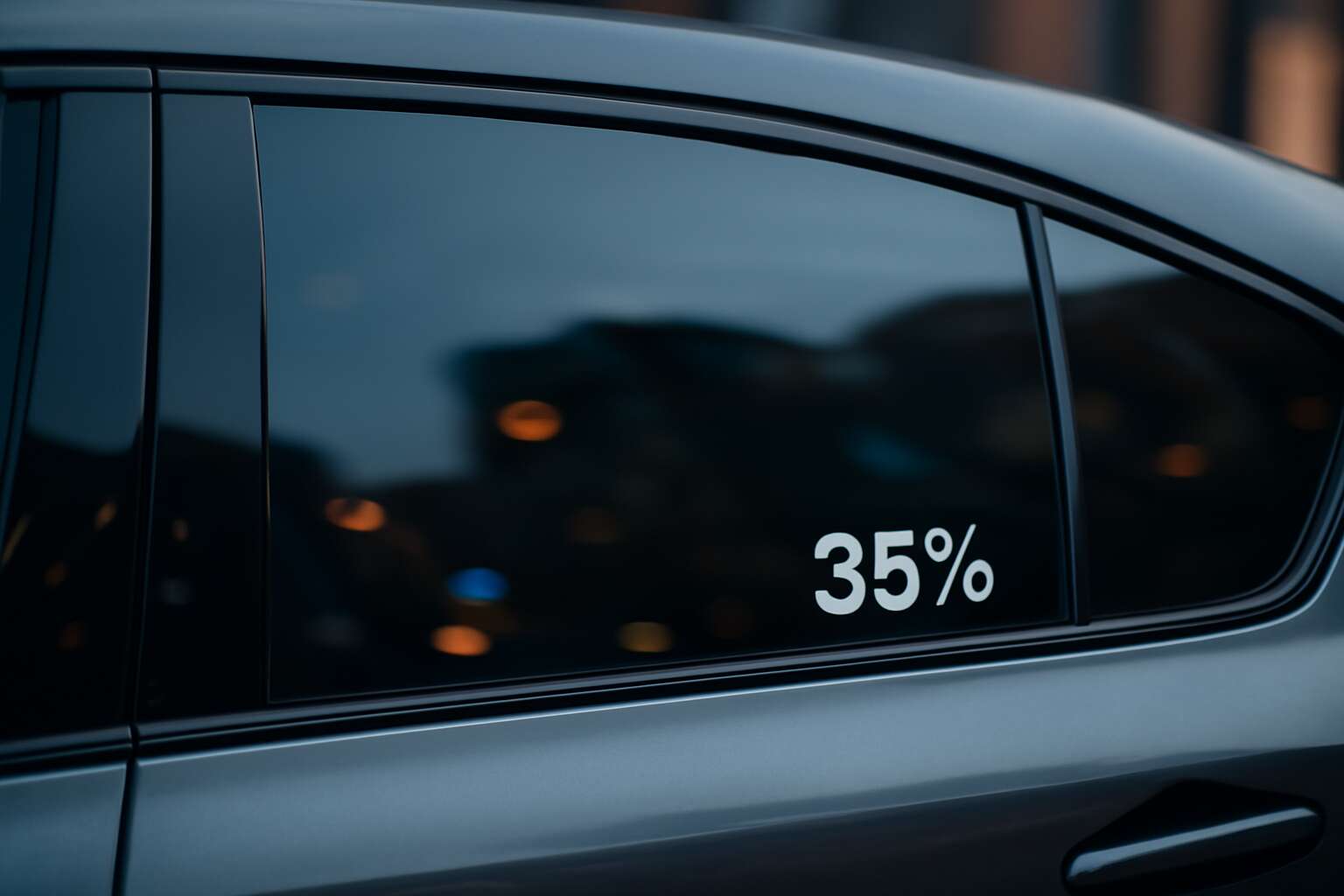
Understanding 35% tint levels and how they affect visibility
What 35% window tint means in terms of light transmission
Visibility isn’t a feature; it’s a daily negotiation with light. In the South African sun, a 35% tint admits 35% of incoming light while curbing glare that can dull detail. “Light is the plot and the tint its shadow,” a seasoned installer once reminded me. Understanding tints 35 means seeing how that fraction shapes the road ahead.
In practice, the role here is to balance visibility with comfort across SA’s varied light. The effect unfolds like this:
- Glare reduction in midday sun helps keep eyes relaxed and the road legible.
- Color perception remains adequate for lane markings and signals, though some contrast is softened.
- Night driving can feel different as a 35% tint reduces total light intake, demanding keener attention to shadows and pedestrians.
For drivers on South Africa’s roads, a 35% tint becomes a quiet moral instrument, shaping attention and restraint as light and glass converse on the horizon.
Comparing 35% to other common tint levels
Sun-splashed SA highways demand a keen eye and a light touch. In practice, tints 35 strike that balance where glare is trimmed but the road stays legible; roughly 60% of drivers report easier visibility under midday glare when using 35% shade. Understanding 35% levels reveals how much light is allowed to pass and what that means for speed and safety.
- 20%: stronger glare control, but color fidelity fades a bit.
- 50%: brighter view with comfortable glare reduction.
- 70%: near-clear visibility with minimal tinting.
Color perception remains adequate for lane markings and signals, though contrast can soften a touch and shadows demand attention at dusk.
Ultimately, tints 35 act as a practical curtain on a sunny stage, shaping how attention travels from glass to road with a wink and a nod to safety.
Optical performance and glare reduction with 35% tint
South Africa’s streets bake under a relentless sun, and tints 35 act like sunglasses for your car. Early field feedback suggests up to 30% better perceived contrast in bright sun, helping signals pop and shadows stay readable without yanking your eyes around the dashboard.
Optical performance with a 35% tint delivers glare reduction without destroying color fidelity. The impact includes:
- Lower glare for daytime driving
- Preserved lane marking visibility
- Consistent transmission as sun moves
As SA drivers know, the right tint feels like a steady stage light—bright where you need it, soft where you don’t. Understanding tint levels helps gauge speed perception and road cues, letting your attention travel smoothly from glass to asphalt.
Legal considerations for 35% tint across regions
On South Africa’s heated avenues, 35% tint levels act like a quiet lens—shaping what you notice as you scan the horizon. A driver once quipped, ‘Tinted glass doesn’t block light—it reshapes it.’ Understanding 35% tint levels reveals that this transmission window tames glare while preserving edge contrast and color cues. For many drivers, tints 35 strike a balance between shade and visibility, keeping sky and shadows legible and the dashboard readable, without turning the car into a cave.
Legal considerations for 35% tint vary across regions. Rules can hinge on window type and vehicle use, and many jurisdictions require visible compliance marks or permits. In some jurisdictions, tints 35 are treated as standard for certain vehicles; in others, stricter limits apply. Here are key realities to know:
- Regional variation in permitted light transmission for side windows
- Medical exemptions and permit processes may apply
- Enforcement practices and documentation requirements
Benefits and use cases of a 35 percent window tint
UV protection and interior fade prevention with 35% tint
A 35 percent window tint is more than a shade—it’s a shield. In South Africa’s relentless sun, UV protection slows interior fading, preserves dashboards, and keeps fabrics looking newer longer. This level delivers steady comfort—less glare, calmer cabin climate, and a smoother ride for sensitive eyes. In a world where light reveals truths, a calm cabin becomes a small sanctuary. For many drivers, tints 35 offer a balanced compromise between visibility and protection!
Beyond cars, this tint level suits sunlit spaces where daylight can scorch furniture and screens. It trims heat gain and softens glare without turning rooms into caves.
Use cases include:
- Automotive interiors—preserves dashboards and leather against sun damage
- Homes and offices—reduces glare on screens while protecting upholstery
- Fleets and taxis—maintains a consistent, professional interior appearance
Heat reduction and energy efficiency benefits
In the blaze of a South African afternoon, tints 35 are the calm, cooling shadow that glides across the windscreen. Heat reduction here is not a mood; it’s a measurable saving, a gentler interior where surfaces resist the scorch and air feels easier to breathe.
The energy efficiency story follows. By blocking a meaningful share of solar gain, cabins demand less cooling. Fewer hours on high-speed fans, steadier climate control, and gentler wear on the AC compressor—all of which translate to lower fuel use and quieter engines.
- Automotive interiors: cooler dashboards and leather, with less pressure on the AC
- Homes and offices: glare relief and tempered heat on screens and textiles
- Fleets and taxis: consistent interior climate for long shifts
In the end, tints 35 offer a measured balance—instant shade, enduring efficiency, and a cabin that feels less like a furnace and more like a sanctuary.
Privacy, security, and cabin comfort at this shade
South Africa’s afternoon sun is no joke, and tints 35 are the practical punchline: privacy, security, and cabin comfort rolled into one sensible shade. It wears the cloak of discretion without surrendering visibility, making every drive a little less dramatic and a lot more livable.
With tints 35, privacy comes with practical perks.
- Automotive cabins: a more private cockpit that still keeps the road in view and reduces dashboard glare.
- Homes and offices: glare relief for screens and textiles, easing eye strain and fading.
- Fleets and taxis: consistent interior climate for crews on long shifts, boosting comfort and efficiency.
Aesthetic appeal and vehicle styling with 35% tint
In South Africa’s streets, first impressions count, and tints 35 hit the styling sweet spot. A notable share of buyers sees 35% shade as a signal of restraint and confidence, not flash!
With tints 35, you get a look that feels deliberate—subtle, modern, and compatible with a range of paints and trims. It sharpens the line of the car, making its silhouette read more refined at a glance.
- Cohesive aesthetics: tints 35 pairs well with common paint colors and trims to create a clean, modern silhouette.
- Shows intention: the shade suggests a curated, premium look without obscuring the vehicle’s design language.
- Brand and resale edge: for fleets or personal cars, this tint signals thoughtful maintenance and can help preserve perceived value.
From city commutes to weekend escapes, tints 35 adds character while staying practical for South African roads.
Installation, maintenance, and quality considerations for 35% tint
Choosing tint film types for 35% darkness
When applying tints 35, installation quality matters as much as the shade. A precise cut and clean edges prevent edge lifting in South Africa’s hot sun, delivering lasting glare reduction.
Quality film matters: for 35% darkness, ceramic or nano-ceramic options resist fading and remain stable in temperature swings. You gain uniform tone and durable performance.
Maintenance is straightforward, yet longevity hinges on how the film ages under use. The key is preserving clarity and color by avoiding abrasive cleaners and rough handling.
- High-quality adhesives with weather resistance.
- Fade resistance and stable hue under SA sunlight.
- Warranty coverage and service options.
DIY tinting versus professional installation for 35% tint
South Africa’s glare has a way of testing every tint job. For tints 35, installation quality matters as much as shade. DIY tinting can save money, but a single edge lift or air bubble can haunt the cabin under the noon blaze.
Maintenance is straightforward: wipe with a soft cloth and avoid abrasive cleaners that dull the film’s clarity. Temperature swings and sun exposure will reveal how gracefully the film ages over years of daily use.
Quality considerations lean toward professional-grade film and meticulous labor. The right choice pairs 35% tint with a film designed for durability in SA heat. The following factors support a lasting result:
- Weather-resistant adhesives
- Fade resistance and stable hue under SA sunlight
- Warranty coverage and service options
Proper aftercare, cleaning, and longevity of 35% tint
For tints 35, installation quality matters as much as shade. Whether you sprint to a DIY corner or hire a pro, neat edges and no air pockets earn real street cred in a SA glare marathon.
Maintenance is straightforward: wipe with a soft cloth and dodge harsh ammonia- or solvent-based cleaners that fog the film. Temperature swings and daily sun exposure will reveal aging in the long run, so be gentle and patient, like a good cup of rooibos.
Quality considerations lean toward professional-grade film and careful labor. The right combo pairs 35% tint with film designed for SA heat. Key markers:
- Weather-resistant adhesives
- Fade resistance and stable hue under SA sunlight
- Warranty coverage and service options
Warranty, certifications, and ensuring compliant tint
Installation for 35% shade isn’t a sprint; it’s a precision craft. For tints 35, pick installers who treat edges like a tailored seam and verify the film’s performance under SA sun with heat tests. The right combination pairs professional-grade film with meticulous labour, aligning with warranty coverage and local tint regulations in South Africa.
Maintenance is straightforward: wipe with a soft cloth and steer clear of ammonia or harsh solvents that fog the film. Temperature swings and daily sun exposure reveal aging; gentle care preserves the tint’s clarity and hue, and helps the warranty stay intact as the years pass.
Quality considerations lean toward professional-grade film and careful labor. Look for weather-resistant adhesives, fade resistance, and solid colour stability in certification-backed products. Warranty coverage with service options confirms you’re protected should an edge seal or delamination arise, ensuring compliant tint for SA conditions.
Legal and compliance guidelines for 35% automotive tint
Regional tint laws and limits for front windows and windshield
Across South Africa, the sun is a constant judge of glass. When you choose tints 35, you balance style with lawful light transfer. A seasoned inspector once said, “Tint is not just style; it is a balance of light and law.” Regional guidelines shape where this shade sits on front windows and the windshield.
Regional tint laws and limits differ by municipality, but the core is visibility. Front side windows often require a minimum VLT around 35% or higher, while the windshield stays comparatively transparent.
- Measurement methods are standardized by authority-certified instruments
- Windscreen tint restrictions commonly prohibit dark bands across the entire surface
- Documentation or certification may be requested to prove compliance
Because limits vary, the legal landscape for tints 35 is a patchwork written by local rules, not a single nationwide decree.
Verifying darkness with a window tint meter
South Africa’s road etiquette demands more than a stylish tint; it demands auditable light transfer. For tints 35, the balance between look and legality is non-negotiable, and verification is where fashion meets the law. Regional rules shape where this shade sits on front windows and the windshield, keeping drivers honest at signals.
To verify darkness, rely on an authority-certified window tint meter. The measurements should reflect the actual glass area—front side windows and the windscreen edge—and be documented for each inspection.
- Read VLT with a certified meter
- Take several daylight readings
- Keep a stamped or digital compliance certificate
- Store the docs with the vehicle file
Documentation or certification may be requested to prove compliance, and rules can shift with seasons and enforcement. In the end, tints 35 inhabit a local statute, not a national decree; verify, measure, and keep everything on file.
Medical exemptions and vehicle-specific allowances
Legal compliance is not an afterthought for tints 35; it’s the line that keeps you out of trouble. In South Africa, medical exemptions exist in some jurisdictions, and vehicle-specific allowances can swing with the vehicle type and region. Rules shift with seasons and enforcement mood, so paperwork matters just as much as appearance.
- Medical exemptions and required documentation
- Vehicle-specific allowances by category (passenger, commercial, emergency)
- Regional and seasonal enforcement variability
- Verification requirements and auditable records (meter readings and certificates)
These rules place tints 35 at the intersection of law and aesthetics.
Enforcement, fines, and compliance documentation
“Style without compliance is simply a liability,” notes a South African traffic inspector. Legal clarity for tints 35 is not a garnish, but the main course. In South Africa, enforcement shifts by region, season, and patrol mood, turning compliance into a moving target. Fines range from modest penalties to heavier consequences, and paperwork often matters as much as the shade itself. Medical exemptions, vehicle category, and regional rules keep the line between aesthetics and legality tight.
- Penalties and fines vary by jurisdiction and vehicle category, affecting tints 35
- Documentation requirements include certificates, meter readings, and exemptions where applicable
- Auditable records and verification processes may be requested during inspections
Audits emphasize verification ecosystems—meters, certificates, and orderly record-keeping—shaping the road experience for drivers and passengers. The tinting conversation is public, balancing privacy with safety and accountability.
Best practices for staying compliant and records keeping
South Africa’s roads keep their secrets, and the laws that govern tints 35 keep even closer. Compliance is a living, breathing thing—never a single checkbox but a steady shadow that follows every installation. For best practices, we shepherd a careful approach to records and verification, turning what seems like paperwork into a safeguard for safety, privacy, and legality. We maintain auditable trails and periodic reviews to keep the line between aesthetics and rule intact.
Key practices to weave into your process:
- Maintain a clear, time-stamped record of work and authorized deviations, stored securely.
- Regularly review regional rules and align procedures with current requirements.
- Use a compliant, tamper-evident system for storing inspection notes and permits.



0 Comments