
Why Window Tinting Matters
The Primary Benefits of Tinted Windows
On a December afternoon in the Elgin Valley, UV radiation can hit index 11, a level the World Health Organization classifies as extreme. That intensity pours straight through untreated glass, baking dashboards, degrading upholstery, and raising cabin temperatures to dangerous levels.
This is why window tinting matters. A quality ceramic film rejects approximately 99% of UV rays and substantially reduces solar heat gain. The cabin stays cooler, the interior holds its colour, and passengers avoid cumulative exposure that accelerates skin ageing. Your air conditioner even runs less, which shows up at the fuel pump.
The practical returns are easy to see:
- Glare reduction on the R321, where afternoon sun makes visibility treacherous.
- Shatter resistance that holds glass together in a smash-and-grab attempt.
- Improved fuel efficiency from a reduced cooling load.
When drivers search for tints Elgin, they are really asking for protection, comfort, and peace of mind on every journey through the valley. That is exactly what the right film delivers, day after day, under a sun that does not relent!
Heat Rejection and Interior Protection
A car left in the Elgin Valley sun for a few hours develops interior temperatures that deform dashboards and fade upholstery. Heat rejection films alter this outcome by blocking infrared radiation before it reaches the cabin. Surfaces stay cooler, and interior materials age more slowly.
With quality tints Elgin drivers trust, the difference is measurable. A vehicle parked on a hot January day can register a cabin temperature reduction of several degrees. This reduces the strain on air conditioning systems and keeps fabric, leather, and trim looking newer for longer.
- Dashboard plastic resists cracking and warping
- Leather seats hold their suppleness without constant conditioning
- Carpets and headliners avoid premature fading
The protection also matters for electronics. Heat sensitive infotainment screens and sensors perform more reliably when they don’t operate in a hot environment. That reliability matters on long drives through the valley, and it’s one more reason drivers choose tints Elgin.
UV Ray Blocking for Health and Preservation
Elgin’s summer sun is relentless. The UV index climbs to extreme levels on clear January afternoons, and a standard windscreen blocks only a fraction of the ultraviolet spectrum. The driver’s left arm, face, and neck take the exposure on every trip. This is where tints elgin matter. Quality film rejects up to 99 percent of UVA and UVB rays before they enter.
Sun exposure is a gradual process. UVA penetrates glass and reaches the dermis, accelerating collagen breakdown and pigmentation disorders. The same rays fade dashboards and dull leather seats. Dermatologists in the Cape see asymmetrical sun damage on drivers, the kind that follows the window line.
- UVA promotes premature ageing and pigmentation
- UVB causes sunburn and skin discolouration
- Both break down interior materials over time
The film itself is an engineered layer on the glass. I find it satisfying that such a thin layer delivers this protection!
Enhanced Privacy and Security
Most vehicle break-ins happen in under thirty seconds, and a clear view of a laptop bag is all a thief needs. Window film removes that advantage. With tints elgin, the interior becomes a dark, quiet space that offers nothing to the casual observer.
Privacy is not vanity; it adds protection. On the road, tinted glass shields your face from opportunistic glances at your phone or wallet. In a parking lot, it hides the gym bag you forgot to lock away. The film also holds shattered glass together during a smash and grab, giving you precious seconds to drive away.
- Blocks prying eyes at intersections
- Delays forced entry by holding glass fragments
- Shields your identity from passersby
I always recommend tints elgin for anyone who parks in public spaces or spends time in heavy traffic. The difference is immediate!
Aesthetic and Resale Value Improvements
First impressions linger. A car with factory-fresh glass and clean lines invites trust, while a glaring, unprotected cabin suggests neglect. Window film transforms that perception, lending a cohesive, tailored appearance that complements the vehicle’s design. In South Africa’s competitive used car market, presentation often decides the final price.
Consider the buyer’s eye. They see consistent tint, smooth edges, and a uniform shade. That visual harmony signals meticulous ownership. Resale value improves because tints elgin protect the interior from fading, preserving the dashboard and upholstery. A preserved cabin commands a premium.
- Enhances curb appeal with a sleek, uniform finish
- Indicates care and maintenance to potential buyers
When I recommend this upgrade, I remind clients that aesthetics are an investment. The car becomes something to be proud of, moving beyond simple transport.
Illinois Tint Laws and Compliance
Understanding Visible Light Transmission (VLT) Percentages
A single percentage point can turn a legal tint into a costly ticket. Illinois law doesn’t grade on looks. It grades on VLT, the Visible Light Transmission percentage. That’s the precise amount of light passing through your windows. Front side windows must allow at least 35% VLT, while rear windows can drop to 50%.
When you choose tints elgin, the shop should give you a certificate for each window. The film’s printed spec isn’t trustworthy on its own. Factory glass already blocks light, so a 35% film often measures at 30% once installed. Always check the combined number.
- Front side windows: 35% VLT minimum
- Rear side windows: 50% VLT minimum
- Windshield: non-reflective tint above the AS-1 line
Police carry tint meters in Illinois. A citation is automatic if the reading falls short. Keep the installer’s documentation in your glovebox. That paper is your only defense during a stop.
Front, Rear, and Windshield Legal Limits
Illinois law measures tint in numbers, not aesthetics. A vehicle can look immaculate and still fail enforcement in under sixty seconds. The statute divides windows into three zones: front side glass, rear side glass, and the windshield. Each zone carries a distinct Visible Light Transmission threshold, and the police officer’s handheld meter is the final judge.
The front side windows must allow at least 35% of light through. The rear side windows are slightly more lenient at 50%. The windshield is a separate matter entirely: non-reflective tint is permitted only above the AS-1 line, the manufacturer’s marking near the top of the glass. When you purchase tints elgin, we measure the combined value of your factory glass and the film together, because the film’s own spec sheet means nothing once laminated.
- Front side windows: 35% VLT minimum
- Rear side windows: 50% VLT minimum
- Windshield: non-reflective above the AS-1 line
Stacking factory privacy glass with a dark film creates a common failure. You might assume the vehicle is compliant, yet the reading drops below 35% because the base glass already absorbs light. Every installation of tints elgin should include a certificate showing the measured percentage for each window. Keep that document in the glovebox. During a traffic stop, the paper is your only negotiation with the meter.
Medical Exemptions and Special Permits
Medical exemptions are rare documents in Illinois vehicle enforcement. Most drivers assume the 35% threshold is absolute, but the law allows two exceptions: medical exemptions and special permits. For a medical exemption, a physician must certify a condition worsened by sunlight. Lupus, albinism, and chronic photosensitivity are common grounds. The certification goes to the Secretary of State, and the resulting compliance document belongs in your glovebox next to the certificates from tints elgin.
- Medical exemptions expire after two years and require recertification.
- Special permits exist for law enforcement, funeral escorts, and armored vehicles.
- No exception permits windshield tint below the AS-1 line.
Special permits do not follow the vehicle when it is sold. They follow the registered owner, and they die with the registration. When you commission tints elgin for a permitted vehicle, the installer logs the permit number on the work order. I have watched motorists lose their exemption over a single expired certificate. The physician’s note never fades, but the permission slip does.
Penalties for Non-Compliance and Enforcement
Police in Illinois carry a tint meter, a handheld device that reads light transmission in seconds. That reading becomes court evidence, and a certificate from tints elgin does not shield you from a roadside test.
The cost of non-compliance is precise: $150 for the first offence, $300 for a second within twelve months. A judge may also order the film peeled off at your expense. Repeated violations can suspend your registration. Enforcement usually follows these steps:
- An officer pulls you over for suspected dark film
- The meter measures front window VLT above 35%
- A fix-it ticket demands proof of removal
- The Secretary of State records the conviction
Municipalities around Chicago have their own tint laws, some with fines up to $500. The overlap of state and local rules confuses many drivers. When you purchase tints elgin, remember the installer’s work order does not exempt you from any jurisdiction. The obligation to stay legal rests on your shoulders.
How to Verify Your Tint Meets State Standards
Your eyes cannot measure VLT. A $50 handheld tint meter can, and it works in seconds. Clean the glass first, because a smudge will lie to you. Take three readings, average them, then compare to the legal limit for that window.
Or visit a shop that sells tints elgin for a free verification. Most installers will test your car as a courtesy, since they want you to return. The installer’s certificate is irrelevant. Factory glass already reduces VLT, so a 35% film might read 32% once installed.
When you buy tints elgin, ask for the actual post installation reading. Keep that note in your glovebox. It will not stop a ticket, but it proves you tried.
Choosing the Perfect Tint Film
Dyed vs. Metalized vs. Ceramic Films
Choosing the right window film for your vehicle in Elgin comes down to three material types, each with a distinct character. Dyed films are the budget friendly option, offering deep colour but fading faster under the harsh Cape sun. Metalized films reflect heat admirably, yet they can interfere with GPS and cellphone signals, a real frustration on long drives through the Bot River valley. Ceramic films represent the modern standard, blocking infrared without the metallic layer and keeping your interior cooler while preserving perfect reception.
When weighing options for tints elgin, consider the film’s longevity and your driving habits. A quick comparison:
– Dyed: affordable, susceptible to fading
– Metalized: durable, potential signal interference
– Ceramic: premium, excellent clarity and heat rejection
Your choice ultimately shapes your comfort for years, so weigh the trade offs carefully. For many drivers in Elgin, reliable tints elgin make the daily commute more bearable.
Selecting the Right Shade and Reflectivity
The sun in Elgin can push cabin temperatures past 60 degrees Celsius, so selecting the perfect tint film is a matter of daily survival. Shade and reflectivity are separate choices, and many drivers confuse the two. Shade controls how dark your windows appear. Reflectivity controls how much solar energy bounces away before it hits the glass.
I have tested dozens of films on the Bot River route! The combinations vary widely:
1. Light shade with high reflectivity suits highway drivers who need clear rear vision.
2. Dark shade with low reflectivity appeals to those who park in urban areas.
3. Mid range options cover mixed conditions.
For tints elgin, the reflectivity level matters more than most people assume. A low reflectivity film absorbs heat, which strains your air conditioning. A high reflectivity film rejects heat before it enters the cabin. That difference shapes your comfort every single day.
Carbon and Hybrid Film Options
A window film’s performance comes down to its construction, not its color. In Elgin’s climate, the material inside the tint determines how well it survives summer extremes and daily use.
Carbon film stands out for its matte finish. It contains no metal, which means zero interference with cell signals, GPS, and satellite radio. This film absorbs heat effectively and blocks UV rays without the shiny appearance of older metalized options. The dark, non-reflective look appeals to drivers who want a sleek aesthetic without compromising rear vision on the Bot River route.
Hybrid films combine a thin metal layer with dyed components. This pairing offers the heat rejection of a metalized film with the durability of a dyed one. They sit between carbon and full ceramic in both price and performance, making them a sensible middle ground for commuters.
- Carbon films: no signal interference, matte finish, strong heat absorption
- Hybrid films: layered metal and dye, better heat rejection than dyed-only, cost effective
For tints elgin, the choice often comes down to how you prioritise signal clarity versus upfront cost. Carbon wins for tech-heavy drivers. Hybrid offers a balanced compromise for those who want performance without the premium price tag. Both outperform basic dyed film in the high temperatures typical of the region.
Warranty and Lifespan Considerations
A window film’s warranty functions like a map of its expected lifespan. A ten year guarantee from a reputable manufacturer speaks differently than a three year promise from a distributor. The adhesive, the top coat, and the metal or dye layer all age at different rates. In Elgin’s high UV climate, delamination and bubbling expose poor craftsmanship within months, not years.
When comparing warranties, ask about these specifics:
– Transferability if you sell your vehicle
– Coverage for labour costs or only replacement film
– Exclusions for tinted rear window defroster lines
– The claims process and who handles approval
The warranty length for tints elgin often mirrors the film’s true quality. A product backed for a decade contains more stable UV inhibitors and stronger adhesives than one supported for three years. Manufacturers calculate failure rates precisely. Their confidence, or lack of it, appears in the fine print. Read every clause before installation, and keep your certificate in a safe place, because that single piece of paper holds your protection for years to come.
The Professional Installation Process
Pre-Installation Inspection and Vehicle Preparation
Roughly 30% of tint failures stem from skipped preparation, not faulty film. That is a fact worth pondering when you book tints elgin. The pre-installation inspection is less about staring at glass and more about forensic scrutiny.
Your car’s windows are checked for existing flaws like scratches, chips, and sticky residue. These blemishes amplify under film, so they are noted and addressed. Then comes vehicle preparation. The interior is shielded with protective covers, and the glass is cleaned with a specialized solvent to strip away oils and grime. No shortcuts here.
Technicians also inspect several critical areas before applying the film:
- Window seals, which cause bubbling when compromised
- Defroster lines, which can ruin the look if broken
- Aftermarket accessories that might obstruct the film
This meticulous process ensures your tints elgin installation survives the first wash.
Precision Cutting and Fitting Techniques
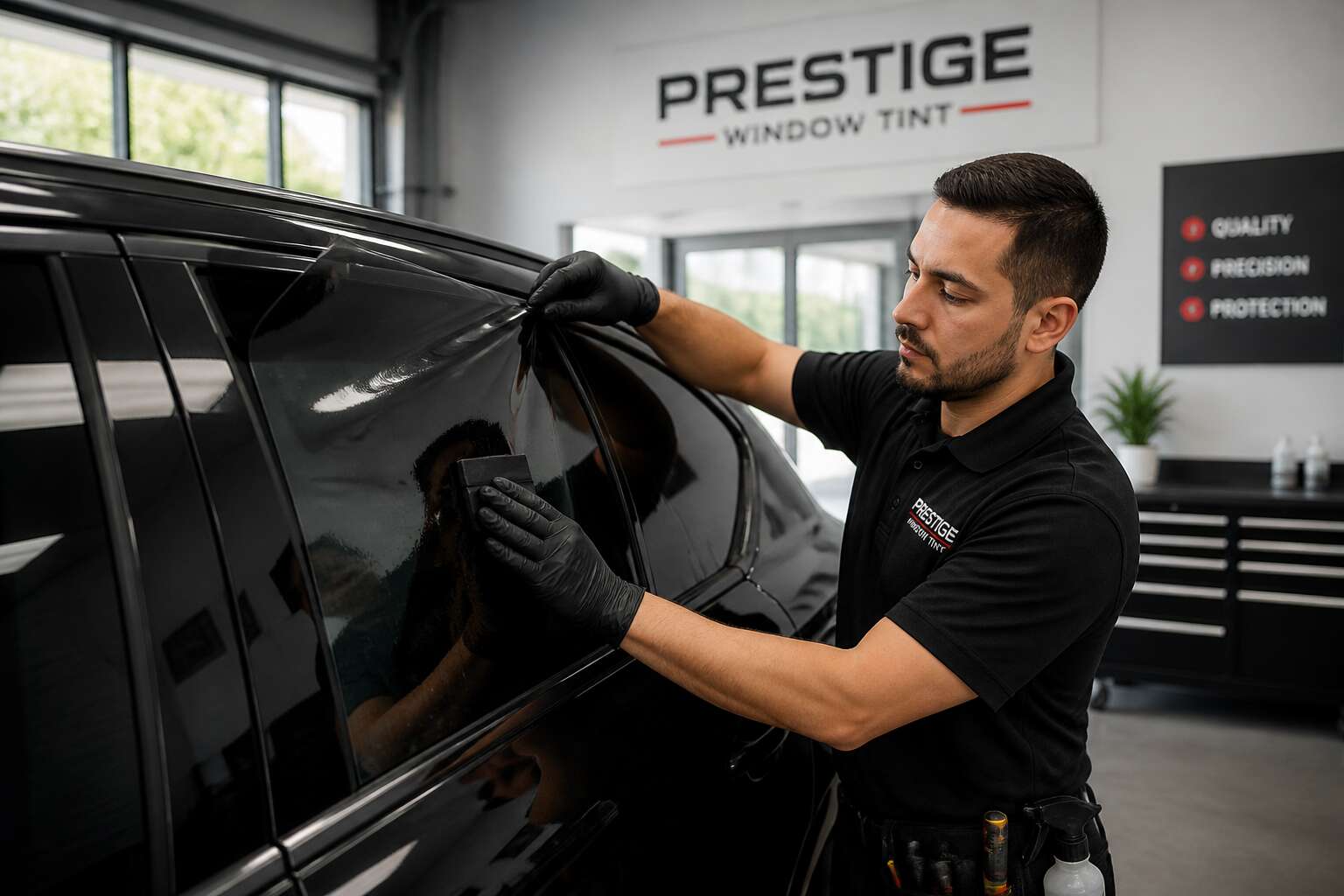
Once the glass passes inspection, the actual installation of tints elgin becomes a study in controlled precision. Most reputable technicians use a computer plotter to pre-cut film patterns, eliminating the need for razor blades near your glass. This reduces the risk of scratches dramatically.
The fitting itself demands a practiced hand. A heat gun gently contracts the film around curved windows, allowing it to conform without lifting at the edges. The squeegee work matters equally:
- Vertical strokes from the centre outward
- Controlled pressure to expel trapped moisture
- Final edge tucking using a soft wedge
Imperfections appear instantly under sunlight, so technicians work under direct inspection lamps. Every angle of your tints elgin gets scrutinised before the vehicle leaves the bay. Honestly, it is this quiet obsession with detail that separates a lasting install from a peeling one.
How Long Does Installation Take?
Two hours. That is the average time a professional tints elgin installation takes for a standard sedan. Some might expect a full day, but modern film application moves at a brisk, disciplined pace. The clock includes every stage, from surface preparation to the final squeegee pass.
SUVs and bakkies run longer, often stretching to four hours because they carry more glass. Rear screens with steep curves demand extra heat shrinking to lie flat without distortion. A car with old, failing film must first undergo removal, which adds roughly an hour of labour.
- Sedans: two to three hours
- SUVs and bakkies: three to four hours
- Removal of old film: plus one hour
Technicians working on tints elgin vehicles rarely rush the job, because a hurried fit reveals itself instantly under harsh sunlight. Bubbles and lifted edges emerge within days, and most warranties specifically exclude such failures.
Curing Period and Aftercare Instructions
Once the final squeegee pass is complete, your responsibility begins. The curing period for tints elgin is a chemical necessity, not a suggestion. Adhesive solvents need time to evaporate, three to fourteen days depending on climate. During this window, the film remains pliable and vulnerable.
Aftercare instructions are straightforward but unforgiving. For the first week, resist rolling down your windows. Use a soft cloth to push out moisture trapped beneath the film. Avoid ammonia based cleaners.
- Keep windows up for five days.
- Clean with a microfiber towel and mild soap.
- Park in direct sunlight to accelerate curing.
Your patience now prevents peeling and bubbling. The technician’s skill matters, but your habits decide the final finish.
Spotting High-Quality Workmanship
A professional installation reveals itself in the details. Walk up to a finished car and inspect the edges. Quality work shows a uniform gap, no more than a millimetre, between the film and the glass edge. Dust specks are absent. The film sits flat without silvering or haze.
High-quality workmanship starts before the film touches the glass. The installer preps the interior, removes door panels, and works in a controlled space. A single rogue fibre ruins the finish. Technicians who take pride in their craft use a heat gun to shrink the film precisely around curved windows.
Ask to see a completed vehicle. Look for these markers:
- No lifting at the edges
- No visible contamination under the film
- Consistent shading across every pane
The best tints elgin shops let you inspect their work before you pay. That confidence is earned, not promised.
Common Mistakes to Avoid in Installation
The professional installation process for tints elgin begins in a sealed, dust-free room. Installers remove door panels and mask off the interior. They cut the film to a template with a two-millimetre gap around every edge. The film is then laid with a soap solution and squeegeed from the centre outward. Trapped water and air create silvering, so the last pass is slow and deliberate.
Common mistakes surface when technicians rush. The most frequent errors:
– Using a hard blade on laminated glass, which scratches the film
– Working in direct sunlight, which dries the adhesive prematurely
– Skipping the edge seal trim, which causes lifting within weeks
These flaws appear late, so a reputable tints elgin shop should demonstrate their process before you commit.
Maintaining Your Window Tint
Proper Cleaning Tools and Solutions
Maintaining your window tint doesn’t require expensive products, but it demands patience and the right approach. For tints elgin, where road dust and tree sap are constant foes, using the wrong cleaner can peel edges within months. I always advise ammonia-free sprays and a soft, lint-free cloth.
Here is the basic kit that works well:
- Microfiber towels, not paper ones
- A gentle automotive glass cleaner
- Distilled water for spot rinsing
Spray the cloth, not the window, to keep moisture from seeping behind the film. Wipe in slow, straight strokes. Seriously, that simple habit preserves the adhesive and keeps the tint looking crisp for years!
What to Avoid in the First Few Weeks
The first weeks after installation are the most fragile for any window film, and tints elgin face unique stress from coastal humidity and temperature swings. I have watched drivers roll down their windows on day three, only to see the film peel at the corner.
What must you avoid?
- Rolling down the windows for at least seven days
- Hanging air fresheners or suction cups on the glass
- Using abrasive cloths on the film
The film needs time to bond with the glass. A slight tug from a window seal can shift the tint and create permanent bubbles. Sunlight helps the curing process, so park in direct sun when possible.
Cleaning in those first weeks demands extra caution. The edges remain vulnerable to moisture. If you must remove a smudge, use a soft microfiber cloth and pat gently, never rubbing in circles. For tints elgin, this patience prevents costly reinstallation.
Addressing Bubbles, Peeling, and Scratches
Most window film failures are visible long before they become permanent. Bubbles appear when the adhesive releases from the glass, often from trapped heat or moisture. Peeling follows the same path, starting as a lifted corner that catches on window seals. Scratches come from abrasive cleaning habits or from debris trapped under a wiper blade. For tints elgin, each failure demands a distinct response.
A bubble that has not popped can sometimes be pressed flat with a soft squeegee. A popped bubble or a peeled edge will not repair itself. Reinstallation becomes the honest option when the damage reaches the optical centre of the pane. Scratches cannot be polished away because they sit in the polyester layer.
Signs that a tint has passed the point of saving:
– The bubble has burst and collected dirt along the crease.
– The film lifts more than a centimetre from the glass.
– The scratch runs across the driver’s line of sight.
Catching these issues early matters! Ignoring a tiny lift lets moisture creep in and spread the failure across the entire window. For tints elgin, a seasonal inspection prevents the expense of a full reinstallation.
When to Consider Tint Replacement
Maintaining window tint is a quiet discipline. The film endures daily exposure to sun, dust, and temperature swings. A regular wipe with a soft cloth and pH neutral cleaner preserves clarity. For tints elgin, this routine guards against the slow degradation that comes from neglect.
The decision to replace comes when maintenance stops solving the problem. If the film has lost its optical clarity, or if the adhesive has begun to fail across the pane, no amount of cleaning restores it. Consider these markers:
- The tint shows a hazy or milky appearance in direct sunlight.
- The edges curl inward, catching grime and moisture.
- The film has developed a persistent purple or bronze discolouration.
Each of these signals structural fatigue, not cosmetic imperfection. For tints elgin, replacing worn film protects the glass beneath and preserves the cabin environment. Waiting only extends the cost.


0 Comments