
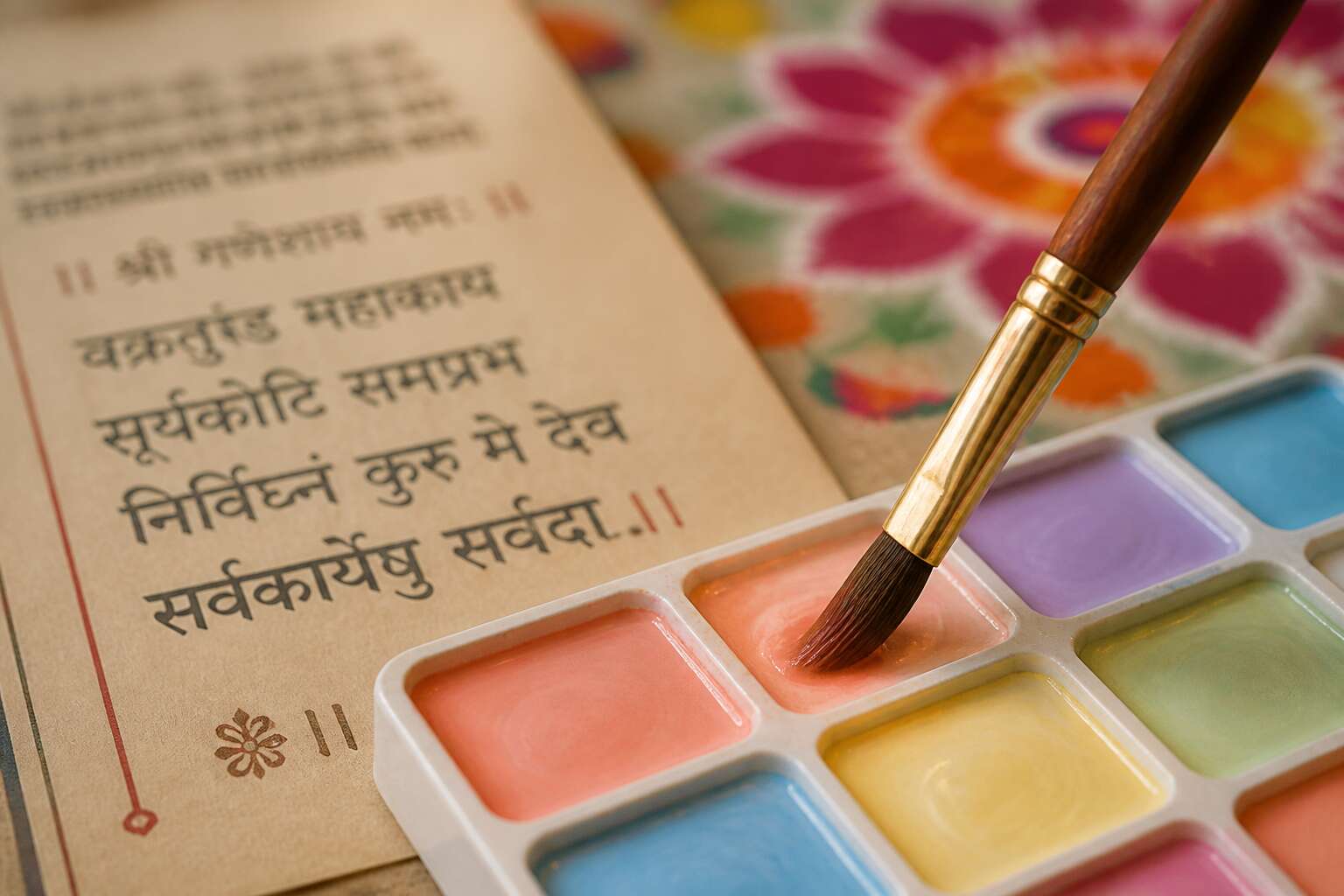
Understanding Tints: A Color Theory Overview
Most humans can distinguish about one million colors, yet we name only a fraction of them. Tints are created when white is added to a pure hue. This action reduces saturation and increases lightness. In color theory, that change alters the perceived mood of a color.
For South Africans exploring color, understanding tints meaning in marathi offers a deeper perspective. Marathi, a language of millions, has its own terms for these lightened shades. Each term carries a specific history. Each word reflects how communities interpret brightness and softness.
I find that process fascinating! When you learn tints meaning in marathi, you are not memorizing vocabulary. You are seeing how another culture divides the spectrum. That is a rare insight.
Marathi Terminology for Tints
Colour language is never neutral. In Marathi, tints meaning in marathi hinges on the word “chhataa”, which describes a subtle shift in hue. This isn’t a simple dictionary term. It reflects a deeper cultural attention to visual nuance.
Marathi speakers rarely say “light blue”. They use “akash” for the sky’s shade or “nil” for something deeper. I find that precision striking. It changes how people notice the world around them.
Here are a few common tint words:
- Chhataa: a general shade
- Rangachhataa: a colour tint
- Fika: a pale or washed-out tint
- Gandha: a blended tone
Each term carries a specific visual meaning. Understanding tints meaning in marathi offers a glimpse into how language shapes perception. That’s a valuable insight for any South African navigating diverse cultures.
Tints in Marathi Culture and Traditions
In Maharashtra, the festival of Holi turns every street into a living canvas of powdered colour. For Marathi speakers, the tints meaning in marathi runs deeper than a simple dictionary definition. The word “rang” carries ritual, memory and belonging in a single syllable.
Think of a Paithani saree in deep red, the saffron glow of a Ganpati idol, or the turmeric yellow at a wedding ceremony. Each tint whispers a different story.
Some traditional Marathi colour associations:
- Kesari (saffron) for courage and sacrifice
- Gulabi (pink) for springtime festivity
- Hirva (green) for fresh starts
These hues spill into daily life, from doorstep rangoli patterns to the silk threads of a mangalsutra. Understanding the tints meaning in marathi opens a window into how colour shapes identity, celebration and continuity across generations.
Tints in Marathi Literature and Art
A single shade of saffron in a Marathi poem can signal courage, sacrifice, or a stubborn streak of pride, depending on who is reading it. Tints meaning in Marathi is a quiet language of emotion, woven into verse and brushstroke alike. I often think of the subtle indigo in a widow’s sari in a Katyar Kaljat Ghusli song, how it speaks of resilience without a single word.
Marathi art, from Warli to Tanjore, uses tints to anchor social nuance. Consider these associations:
- The gentle pink of a morning lotus, for devotion
- The iron grey of monsoon clouds, for longing
- The turmeric yellow, for auspicious beginnings
Each tint carries a memory, a gesture, a whisper of family lore. Understanding tints meaning in Marathi means noticing these small gradations, the way a painter shifts a tone to change a story. For a reader in Johannesburg or Cape Town, this layered view of colour can feel strangely familiar, like a shared table of meaning.
Practical Uses of Tints for Marathi Speakers
When I first heard the tints meaning in marathi from an old farmer in Pune, I realized how deeply color shapes our daily choices. He showed me that “hirava” for green carries the weight of monsoon fields, beyond a simple shade.
These tints are practical tools! Marathi speakers use them to guide home decoration, fabric selection, and festival preparations. You can match a saree or pick wall paint that feels like home.
- Consider “pandhra” for white, which denotes purity in rituals.
- “Kesari” or saffron, common in festive flags.
- “Kala” for black, often used in traditional footwear.
Such words connect language to lived experience, enriching every craft and conversation they touch.



0 Comments