
Understanding Window Tinting Costs
Factors That Influence the Final Price
In South Africa, the sun punishes bare glass. That is why tints for cheap attract so much attention. The final price depends on several variables. Film quality matters first. A dyed film costs less than a ceramic layer. The number of windows also shifts the total. A sedan with five side panes will differ from an SUV with eight. Labour rates vary between provinces. Cape Town workshops may charge more than Johannesburg outlets. The type of glass plays a role too. Rear defogger lines or curved windshields demand extra patience and skill.
- Window count and size
- Film grade and warranty
- Installation complexity
- Shop reputation in your area
These elements gather into the quoted figure. When you compare tints for cheap, you are weighing each one against the other. The cheapest quote may omit a warranty or use thinner material. A balanced price accounts for heat rejection and durability. Understanding these costs lets you choose with clarity.
Types of Tint Films and Their Price Points
Most South African drivers underestimate how much a window film’s chemistry affects the price. The market for tints for cheap is crowded, but the distinction between dyed, metallic, and ceramic layers is stark.
Dyed film is the entry point. It absorbs heat through colour, but it fades over time. Metallic film reflects solar energy using microscopic particles, yet it can interfere with radio signals. Ceramic film sits at the top, offering infrared rejection without electronic interference. The price gap between these tiers often exceeds 60%.
Here is what you pay for at each level:
- Dyed film: basic privacy, moderate heat reduction
- Metallic film: better reflection, possible signal disruption
- Ceramic film: superior performance, higher cost
Choosing tints for cheap means deciding which trade-off you can live with.
Why Budget-Friendly Doesn’t Mean Low Quality
South African drivers pay wildly different prices for identical film. The markup follows demand, location, and perceived prestige. A R450 job might use the same stock as a R1,200 job, with the difference hiding in preparation and clean-up time. Heat punishes both the film and the person fitting it. A rushed fitter leaves bubbles, peeling edges, and wasted money.
For those who type “tints for cheap” into a search bar, the real question is where savings appear without sacrificing performance:
– A warranty that covers peeling and discolouration
– A fitting bay with proper dust control
– A film with documented UV block ratings
The answer changes how a film ages. Cheap installation inflates the true cost of any tint. Affordable film, installed with care, delivers years of service. The price you pay upfront does not tell the full story; the final cost reveals itself over summers of harsh sunlight.
Hidden Costs to Watch For
Searching for tints for cheap often leads to quotes that look appealing on paper. The hidden costs appear after the job, not before. Old film removal, adhesive residue, and door panel disassembly all take time that some fitters skip entirely. A quote that excludes these steps is not a bargain; it is an incomplete estimate.
Consider what a low quote may omit:
- Proper removal of factory film or previous tint layers
- Thorough cleaning of the glass edges before application
- Reassembly of interior panels without broken clips
These steps add labour. A fitter who skips them leaves you with a finished product that looks fine for a week, then shows its true cost. When you search for tints for cheap, remember that the final price includes every return visit for bubbles or peeling edges. That is where the real expense lives.
Smart Ways to Find Affordable Installation
Comparing Local Shops vs. Mobile Installers
A recent trade report notes that installation costs vary by as much as 40% between local shops and mobile operators. For anyone seeking tints for cheap, this difference is worth exploring. Mobile installers often skip the overhead of a physical storefront, while local shops bundle their prices with warranty services.
To compare fairly, request a detailed quote from each. Ask about travel fees, labour rates, and aftercare support. A mobile installer might charge less per hour, but a local shop could offer a faster turnaround. Consider these points:
- Verify the installer’s credentials and insurance coverage.
- Inspect a completed job on another vehicle before committing.
Your final choice should balance cost with reliability. Sometimes the cheapest option is not the most economical over time, so evaluate every quote against the quality of workmanship.
Seasonal Discounts and Promotions
Winter in Gauteng sees demand for window film drop by nearly a fifth, according to a local trade body. Installers drop prices to keep their bays busy. I have seen cash deals that shave 30% off the standard rate. This is how you get tints for cheap without waiting for year-end sales.
- End-of-month specials tied to supplier rebates
- Multi-window packages that lower the per-panel cost
- Holiday bundles before the December rush
Follow reputable installers on social media. They often post flash deals that last a weekend. Trade shows and vehicle expos also bring discounted rates. Ask about previous customer perks, because repeat business usually carries a price break.
Using Deal Sites and Coupons
Few car owners realize that deal sites hold a collection of discounted window film services. In South Africa, platforms like Groupon SA and SnapnSave regularly list tinting specials from vetted installers. Reading the fine print matters, as some vouchers exclude premium films or specific vehicle types. A R299 basic tint package might seem tempting, but upgrade costs can quickly exceed the original quote.
Another avenue involves coupon aggregators that gather promotional codes from installer websites. Many shops publish hidden discounts through these channels to attract new customers without lowering their public rates.
Typical deal site listings include:
- Multi-car packages for fleet owners
- Ceramic film upgrades at reduced rates
- Vouchers valid only for weekday installations
These digital channels consistently deliver tints for cheap while maintaining film quality standards.
Negotiation Tips That Actually Work
The first rule of tint negotiation? You actually have to negotiate. Plenty of South African installers expect a little haggling, especially when you wave a competitor’s written quote in front of them. Polite persistence beats aggressive bargaining, and cash often unlocks a better price than card payments ever will.
Ask about off-peak bookings, since installers prefer filling quiet slots. Offer to bring two cars for a bulk discount. Mention the word “referral” and the price often drops.
- Request a price match on a written quote from another shop.
- Ask for last-minute cancellation deals.
- Bundle window film with a detail wash for leverage.
These tactics consistently deliver tints for cheap without forcing you to compromise on film quality.
Buying Film in Bulk or Bundle Deals
There is a peculiar joy in buying a full roll of window film. It is the automotive equivalent of buying toilet paper in bulk. You feel prepared, until you realise you have nowhere to store twenty meters of darkness. Still, some installers will happily fit film you purchased yourself, charging a pure labour fee. That fee, added to your wholesale roll price, often beats any showroom quote.
Before you commit, consider a few practicalities:
- Check if the film’s warranty transfers to a new owner.
- Confirm the installer actually likes that particular brand.
- Measure your windows twice, because film is unforgiving.
- Ask whether the adhesive needs special tools.
Bundle deals work differently. You do not buy film. You bundle multiple vehicles. One installer quoted me less for two cars than for one, because he could use a single roll without waste. That is genuine tints for cheap, no haggling required. Just honest arithmetic.
Referral Programs and Loyalty Perks
Word of mouth drives most window tinting work in South Africa, yet few customers ask about referral rewards. Those rewards are a quiet path to tints for cheap. Installers happily credit customers who bring new business. One referral can land you a discount on your next vehicle or a cash rebate. Loyalty perks follow the same pattern. Return to the shop and they remember you. Frequent customers often receive:
- Priority booking during peak tinting months
- Free removal of old film when it starts to bubble
- A reduced rate on a second vehicle in the household
Many South African installers run their referral circles through WhatsApp rather than public promotions. The best benefits stay unlisted, reserved for customers who simply ask!
DIY Tinting on a Shoestring Budget
Tools You Already Have at Home
Professional window tinting in South Africa can easily set you back R1,500. Doing it yourself with household items costs almost nothing. The trick is patience, not pricey gear.
A spray bottle, dish soap, a squeegee, and a sharp blade are enough. You likely own all four. For tints for cheap, this approach works best on flat windows. Curved rear screens need heat guns, but door glass is manageable.
Work in a dust free room. Mist the glass, lay the film, and push out bubbles with firm strokes. One common mistake is rushing. Slow movements prevent creases. If you can stretch the film without tearing, you are halfway there.
Step-by-Step Process for Beginners
Start with the smallest window. A quarter glass builds confidence without wasting material. Wash the surface twice, once with soapy water, once with a razor scrape to lift stubborn grime.
Measure the glass, then cut the film with a few millimetres of overlap. A crooked edge ruins the whole panel, so take your time.
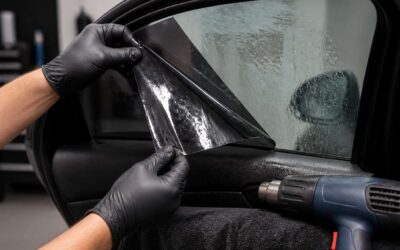
- Peel the liner and mist the adhesive side with soapy water.
- Set the film on the wet glass, sliding it into position.
- Squeegee from the middle outward, firmly and slowly.
- Trim the excess with a sharp blade along the edge.
I have done this in a single garage with a garden hose, and it works. This process yields tints for cheap, trading labour for expense. The film stays movable while wet, which forgives small mistakes.
Common Mistakes That Cost You More
Mistakes in DIY tinting usually surface months later, when bubbles appear or edges peel. The cheapest film often fails within a season under South Africa’s harsh sun, forcing you to buy again. You end up purchasing the same window twice. That is not saving. That is the true cost of chasing tints for cheap.
Consider the environment. Direct sunlight during installation cures the adhesive before you can position the film. Dust carried by the afternoon wind becomes permanent specks under the glass. I have seen garage attempts ruined by a single gust. A covered carport changes the outcome entirely.
Common pitfalls that inflate the real cost:
- Buying film without checking its UV resistance rating
- Using blades not meant for automotive glass
- Ordering by eye instead of measuring each window twice
Each mistake means stripping the panel and starting over, or paying a professional to undo the damage. The material might have been cheap, but the correction never is.
Balancing Price and Quality
UV Protection vs. Heat Rejection
The cheapest tint costs you if it fails at the one job you need. In South Africa, the sun is relentless, so balancing UV protection against heat rejection is a negotiation, not a default. A film blocking 99% of UV rays may leave your cabin sweltering, because UV protection and heat rejection are separate metrics. The first preserves your dashboard and skin. The second determines whether your air conditioning earns its keep.
When I hunt for tints for cheap, I check the total solar energy rejected (TSER) alongside the UV blockage percentage. Many budget films score high on one and falter on the other. Your driving environment dictates the priority. A Johannesburg commuter needs heat rejection to survive the afternoon. A coastal driver with leather seats needs UV defence to prevent cracking.
Ask for the specification sheet, not the showroom talk. The right tints for cheap balance these demands without straining your budget.
Warranty Considerations
A warranty determines the true cost of your tint over time. A cheaper film often hides its weakness in the fine print. Some dealers offer a five year guarantee, but exclude peeling or bubbling caused by poor installation. That distinction matters more than the price tag.
I ask three questions before committing to tints for cheap. Who stands behind the film if it fades? Which failures does the warranty cover? What happens if the installer closes shop? Many budget operators vanish with the seasons, taking their promises with them.
A solid warranty should transfer with the vehicle. It should name the manufacturer, not just the dealer. And it should define fading in measurable terms, like a specific percentage of visual light transmission loss per year.
How to Spot Subpar Film
Most shoppers assume price reveals quality, yet subpar film hides in plain sight. On a sunny afternoon in Durban, I have watched cheap tint look flawless for a month before bubbles surface along the rear window demister lines.
Balancing price and quality starts with reading the roll itself. Genuine dyed polyester shows consistent colour when held to light, while counterfeit stock often displays streaking or tiny pinholes. The adhesive layer tells a story too. Weak adhesive feels tacky and lifts from the liner easily, signalling failure within six months.
The market for tints for cheap is crowded with glossy packaging from unknown brands. Reputable films carry a batch number and manufacturer contact details. Missing lot codes raise immediate suspicion.
Visible warning signs include:
- Scratches or cloudiness across the surface
- Inconsistent shade between sections
- A strong chemical smell from the adhesive
These markers point to recycled film stock or outdated manufacturing processes.
Balancing Cost with Lifespan
A cheap tint that fails in six months is no bargain. The real cost of tints for cheap appears when you factor in replacement labour and the hassle of peeling adhesive off glass. A roll that costs R150 less might save money today, but if it degrades in a year, you have paid twice.
The lifespan of budget film depends on the adhesive and the dye depth. Quality manufacturers use UV stabilisers that keep colour from fading. Cheaper stock often skips this step. Signs of premature ageing include:
- Purple or grey discolouration after one summer
- Bubbling around the edges where heat builds up
- Adhesive residue that refuses to shift
These failures are not cosmetic. They reduce visibility and can damage rear window demisters. A smart buyer weighs the upfront price against how many summers the film will actually survive.
When Upgrading to Ceramic Makes Sense
There is a moment in every South African summer when the sun finds the gap between your visor and the steering wheel. Ceramic film answers that heat before it lands. While tints for cheap often rely on dyed polyester, ceramic particles actually disrupt solar radiation at a molecular level, which is why the cabin stays cooler without the film darkening the glass.
Consider the upgrade when your car spends afternoons in open parking lots, or when you have already replaced a budget tint once. Ceramic adds roughly R800 to R1500 to the installation, but it also reduces the load on your air conditioner and protects leather or faux leather upholstery from cracking. The difference is measurable.
- Clear ceramic blocks up to 99% of UV rays without a dark appearance
- The film remains stable in high heat, so edges do not lift
- Radio and GPS signals pass through, unlike metallic alternatives
That last point matters for fleet vehicles and ride share drivers who rely on navigation daily.
Making Your Budget Tint Last
Cleaning Products That Won’t Damage Film
Window film fails faster from harsh cleaning than from harsh sun. The cheapest tint will hold its colour and adhesive for years if you treat it gently, and the first mistake people make is reaching for a degreaser. A simple mix of mild dish soap and water is the safest starting point for any surface. You don’t need a specialty product from an installer.
- Sunlight dishwashing liquid diluted in water
- A dedicated ammonia-free glass cleaner
- A soft microfiber cloth, not paper towels
Wipe in straight lines, not circles. Pressure washes and abrasive pads will scratch the film and expose the adhesive to moisture. When you buy tints for cheap, the margin for error is thinner. The film is thinner. So use lukewarm water and never scrape off dried bugs with a razor. A little patience costs nothing and saves the R500 you spent from peeling at the edges within a year.
Avoiding Scratches and Bubbles
Scratches and bubbles shorten the life of any window film. A bubble collects dust and grows. A scratch distorts light and lifts the film’s edge. Both come from handling, not from quality. When you buy tints for cheap, the film is thinner, so the margin for error shrinks.
Let the film cure for a week before touching it. Pressing on a bubble or wiping too soon pulls the film away from the glass. I have seen a R500 budget installation ruined in three days by anxious fingers. Simple habits protect that investment:
- Keep pets and jewellery away from fresh film
- Skip phone mounts and stickers for the first month
- Trim loose edges with a fresh blade, never pull them
Heat helps the adhesive set. Park facing the afternoon sun after installation.
When to Repair vs. Replace
Even the best tints for cheap will eventually show their age. The real question is whether a small flaw deserves attention or a full redo. A single air pocket near the edge can often be pressed down during the first week. A crease that runs across the glass will only spread.
Look at the damage in daylight. Purple or cloudy film means replacement is the only option. A loose corner might hold for a season if you trim it cleanly. Weigh the cost of each path. A R150 repair on a R500 tint makes sense. Paying R300 to save film that has already faded does not. With tints for cheap, the repair decision comes down to what the film still offers.
- Repair when the defect is smaller than a coin
- Replace when adhesive failure covers more than a quarter of the window
- Replace when the glass has lost its clarity
Extending the Life of Affordable Tint
Budget film fades faster when the sun hits it directly for hours. Parking under a tree or a covered garage in Johannesburg or Durban adds years to its life. For anyone who chose tints for cheap, this simple habit matters most. The heat here is the real enemy, not the film itself. Angling your windscreen shade toward the interior reduces the strain on the adhesive.
After installation, keep the windows rolled up for at least three days. This allows the film to cure properly. Once cured, open and close windows gently for the first week. The edges are the most vulnerable part of any affordable tint.
- Use a sunshade during midday hours
- Wipe dust off with a soft microfiber cloth
- Avoid magnetic phone mounts on tinted glass
These small actions cost nothing. Yet they protect the investment you made when you chose tints for cheap. The film may be affordable, but its lifespan depends on the care it receives.
0 Comments