
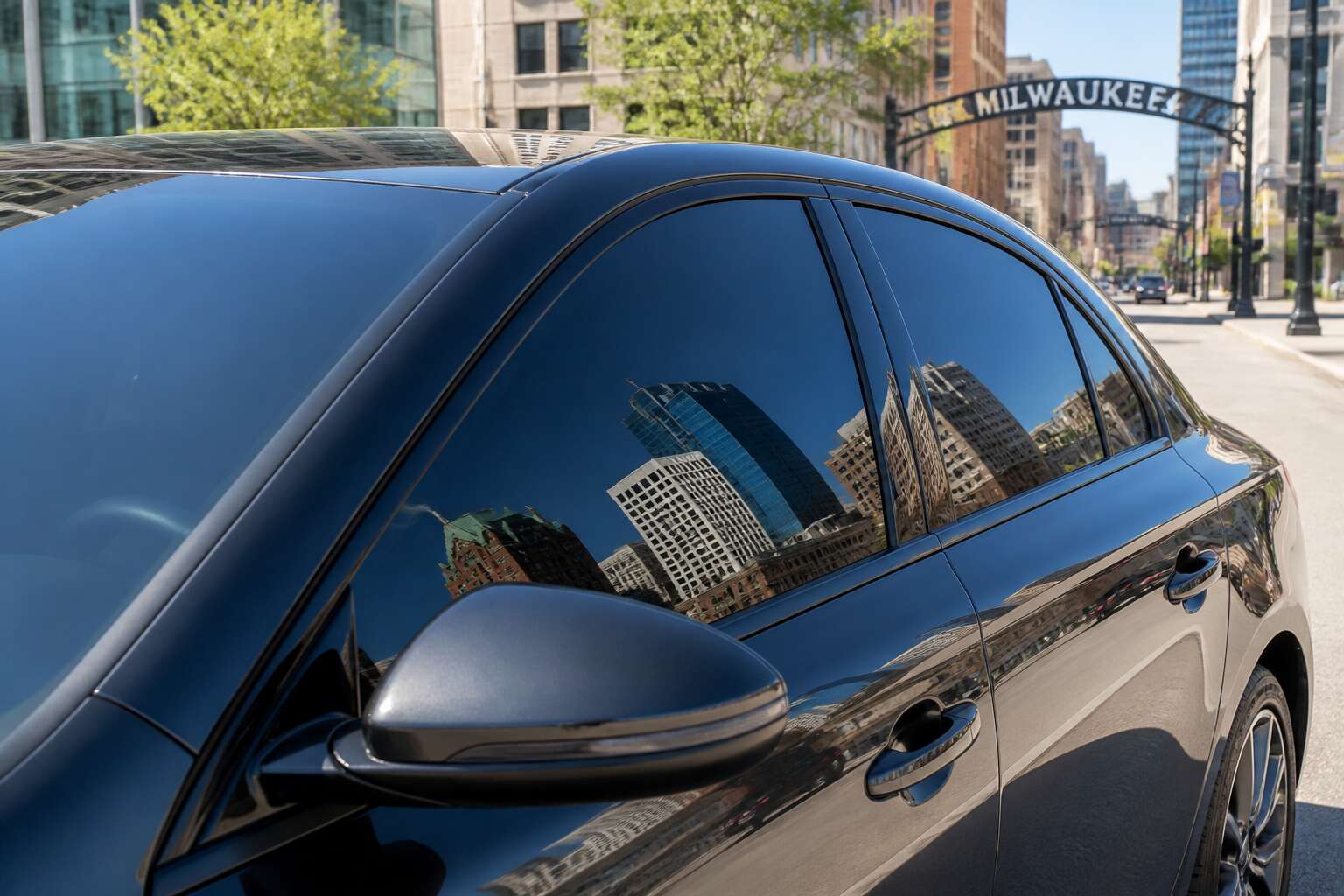
Window Tinting Benefits for Milwaukee Drivers
Beat the Summer Heat with High-Performance Film
On a 30 degree day, a parked car’s dashboard can climb to 85 degrees in under an hour. That heat doesn’t vanish when you start driving. High performance window film intercepts solar radiation before it reaches the cabin. With tints Milwaukee specialists apply, the glass itself becomes a barrier. Infrared rays that would normally raise the steering wheel’s surface temperature are reflected outward.
The film also filters harsh light. Your eyes stay comfortable, and the leather or fabric beneath you remains bearable. Many drivers notice less glare during afternoon commutes. For the best tints Milwaukee has to offer, consider high performance film. Here is what such film handles:
- Solar heat gain
- Interior fading
- Glare from low sun
The result is a cabin that feels shaded, even at a standstill.
Preserving Your Vehicle’s Interior from Sun Damage
Dashboards crack. Leather splits. Fabric fades. This damage accelerates every time you park in the sun. Professional tints Milwaukee drivers choose to block destructive UV rays while still letting visible light through. Without a film barrier, the sun damages your interior components steadily.
Here is what routine solar exposure does over three years:
- Leather loses its natural oils
- Vinyl surfaces become tacky and brittle
- Dashboard plastic develops hairline fractures
- Seat colors shift from rich to washed out
Replacing a dashboard costs hundreds of dollars. A quality tint costs far less. Tints Milwaukee shops install today also help maintain your car’s resale value. The interior stays presentable for buyers instead of looking worn. A preserved cabin helps the car retain its worth. That is the preservation benefit of window tinting, and it works continuously.
Minimizing Glare for a Comfortable Commute
The morning sun hangs low over the freeway, pale and unrelenting. Glare forces every driver to squint. It hides pedestrians, washes out traffic lights, and turns a familiar route into a source of uncertainty. For those who drive east at dawn or west at dusk, the daily assault is relentless.
Tints milwaukee installers apply films that cut this harsh light at the source. A quality ceramic or carbon layer absorbs scattered rays before they reach your eyes. The result is a calmer visual field. Dashboard reflections fade. Oncoming headlights no longer overwhelm. You see the road, not the light bouncing off it.
This matters for more than comfort. Reaction time depends on clear vision. When glare hides a child stepping off the curb or a pothole in the shadows, the margin for error shrinks. Tints milwaukee drivers choose to preserve that margin, commute after commute.
Protecting Passengers from Harmful UV Exposure
Here is a startling fact: standard side windows block only a fraction of UVA rays. That means every passenger on a long drive absorbs radiation linked to premature aging and skin damage. Tints milwaukee installers apply films that stop up to 99% of both UVA and UVB, so the cabin becomes a safer space for unprotected skin.
I see commuters with sun-weathered left arms and necks. They spend hours exposed without realizing it. A quality tint changes that reality. It filters the spectrum that harms skin and tires eyes. For families with children, this matters even more. Kids sit low, closer to side glass, and their skin is more sensitive.
Tints milwaukee give drivers a straightforward way to cut that exposure on every trip!
Choosing the Right Type of Window Film for Your Car
Dyed, Metallic, and Ceramic Films Explained
Three film types dominate the market, and choosing among them can feel overwhelming. Dyed films deliver a sleek, dark appearance at a low cost, but they lose color and effectiveness over time. Metallic films excel at blocking heat and offer robust durability, yet they may disrupt GPS and phone signals inside the cabin. Ceramic films use advanced nano technology to reject heat and maintain signal clarity, making them the premium option for discerning drivers.
Here is a practical comparison for your consideration:
1. Dyed: affordable, but shorter lifespan.
2. Metallic: strong heat rejection, possible signal interference.
3. Ceramic: excellent performance, higher investment.
Your car’s electronics and your budget both matter! Selecting tints milwaukee requires weighing these tradeoffs. For a reliable outcome, I recommend consulting a local specialist who understands tints milwaukee and your vehicle’s specific needs.
Matching Film Shade Levels to Your Driving Needs
Shade level determines more than appearance; it dictates your visibility and comfort across different driving conditions. A darker film may promise privacy, yet it can compromise your ability to see pedestrians on unlit roads. A lighter shade, by contrast, tames glare without dimming your peripheral awareness. The real question is how you drive. Long highway stretches under intense sun demand a different tint than stop and go city traffic at night. Many drivers also forget that film type interacts with shade. A ceramic film with a medium shade often delivers better heat rejection than a dyed film at maximum darkness. Consider these guidelines: 1. Light (70% to 50%) suits frequent twilight driving; 2. Medium (35% to 20%) balances aesthetics with all round utility; 3. Dark (15% to 5%) requires cautious evaluation of nighttime visibility. The right combination varies per vehicle and personal comfort. Exploring tints milwaukee gives you access to specialists who can match shade to your specific habits. Your eyes and your passengers deserve that attention.
Carbon and Nano-Technology Films for Longevity
Carbon films rely on microscopic carbon particles to block infrared without interfering with GPS signals. Their composition resists oxidation, preventing the hazy purple discolouration common in older dyed films. Nano-ceramic films take this further by layering nonconductive oxides at a minuscule scale. In my opinion, this is where the real value lies.
- Adhesive grade dictates edge curling resistance
- UV inhibitor concentration determines adhesive lifespan
- Outer coating strength prevents fissures from stone impacts
Longevity depends on more than shade. Poor adhesion causes delamination within two years. Premium films use pressure sensitive acrylics that bond tightly to your glass. Specialists at tints milwaukee match the substrate to your daily commute. That consideration alone saves you from premature replacements!
Comparing Pricing, Warranty, and Performance Factors
Many owners choose window film from the swatch card alone. That approach ignores pricing, warranty, and performance. The cheapest option has the shortest warranty. Films with a five year warranty cost more upfront, but spread the cost over the film’s life.
Performance factors deserve equal weight. Visible light transmission, infrared rejection, and optical clarity define comfort. Some films block heat but darken night visibility. Others provide privacy but distort the view. Examine warranty language before signing. Transferable warranties protect resale value. Non transferable warranties leave the next owner stranded. In my experience, trapped dust voids more claims than any other factor! Specialists at tints milwaukee evaluate these details and match the product to your vehicle. They weigh factors such as:
- Annual mileage and direct sun exposure
- Factory glass type and curvature
- Your tolerance for interior reflectivity
A solid warranty beats a premium film with weak backing, a lesson the tints milwaukee team applies daily.
Understanding Wisconsin Window Tint Laws and Rules
Legal Visible Light Transmission Limits for Passenger Vehicles
For passenger vehicles in Wisconsin, the front side windows must let in more than half of visible light, a strict threshold that catches many off guard. The windshield requires over 50% light transmission, while rear side windows and the back glass have no numeric restriction but must remain factory compliant. This asymmetry leads drivers across Milwaukee to seek clarity before choosing tints milwaukee. The legal breakdown is simple:
- Windshield: non-reflective tint above the AS-1 line only.
- Front side windows: VLT must exceed 50%.
- Rear windows: any darkness allowed.
Statewide rules apply uniformly, so Milwaukee drivers cannot assume leniency based on location. Reflective tint is limited to 20% on front windows, adding another constraint. Understanding these numbers prevents expensive citations and rework.
How Rear Window Restrictions Differ from Side Windows
The rear of your car is where Wisconsin loosens its grip. Front side windows must prove themselves worthy of every photon, but the back glass gets a free pass on darkness. This asymmetry exists because your rearview mirror sees through the windshield and side mirrors, not the rear window. Side windows handle lane changes, pedestrian spotting, and the occasional deer staring contest, so they face tight restrictions.
Factory compliance still applies to rear windows, a nuance that confuses people searching for tints milwaukee. If your vehicle left the factory with a built in shade, you can stack film on top without issues. The law only demands your rear tint stays compatible with the original manufacturing spec, a rule most drivers never trigger.
Medical Exemptions and Multi-Purpose Vehicle Rules
Medical exemptions present a curiosity in Wisconsin, one where the state acknowledges that rules have exceptions. If a dermatologist or ophthalmologist certifies that a specific tint level is necessary for a documented condition, the standard limits relax. This requires paperwork, not merely a preference for darker glass. The exemption attaches to the driver, not the vehicle, so switching cars means carrying the certification once more. This nuance eludes many researching tints milwaukee.
Multi-purpose vehicles follow a separate set of conventions. The law examines registration classification, not weekend behavior. I find that drivers often assume their personal SUV inherits commercial leniency, which it does not! That miscalculation sends many people pursuing tints milwaukee with the wrong expectations.
Qualifying medical conditions typically include:
- Photosensitivity disorders
- Lupus and autoimmune conditions
- Post-surgical light sensitivity
Working with Local Shops to Ensure Compliance
The legal thresholds for window film in Wisconsin are precise, but enforcement depends on inspection. I have seen drivers assume any local shop knows every nuance of state law. That assumption is risky! When you search for tints milwaukee, you need a shop that verifies your vehicle’s registration class and measures visible light transmission before cutting film.
Working with a local installer means receiving a certificate of compliance. A reliable shop checks for existing damage and aftermarket modifications.
- Confirming the exact VLT percentage for each window position
- Reviewing the vehicle’s registration type for commercial or passenger classification
- Testing the final installation with a light meter
The best tint shops treat these steps as standard procedure. That is why seeking out experienced professionals for tints milwaukee saves you from costly fines.
What to Expect from Professional Auto Window Tinting Services
The Importance of Precision-Cut Custom Films
Professional installation is a different world from DIY kits. In my experience, the difference lies in the precision cutting. A seasoned technician uses computer plotted patterns that match your vehicle’s exact glass contours. This avoids the telltale signs of poor workmanship, like light gaps along the edges or peeling film near the defroster lines.
Consider what a proper service includes:
– Pre-cleaning the glass in a dust controlled environment
– Shrinking the film to fit the curvature of the rear window
– Using a heat gun to set the adhesive for a permanent bond
The result is a seamless finish that enhances both aesthetics and function. When you search for tints milwaukee, you want a shop that invests in these details. Custom cut films also protect your window seals from premature wear. The precision matters more than the shade percentage. A reliable tints milwaukee provider will always prioritize fit over speed. That is the true measure of a professional installation.
Preparing Your Vehicle Before Installation
Most drivers assume tinting takes an hour, but the prep work often dictates the final result. A professional tints milwaukee technician will ask you to clear the car of loose change, parking passes, and any accessories near the windows. They also need to check the rubber seals for cracks or dirt.
What happens before the film goes on?
- Interior panels are masked to avoid soap damage
- Glass is scraped clean of old adhesive
- The vehicle is moved into a controlled bay
After installation, the windows must stay up for several days. The adhesive needs to dry without movement. A good tints milwaukee shop will schedule your appointment knowing this downtime. They will also warn you against cleaning the glass with ammonia products. That simple step prevents bubbling. The prep work defines the lifespan of the film.
The Installation Process Step-by-Step
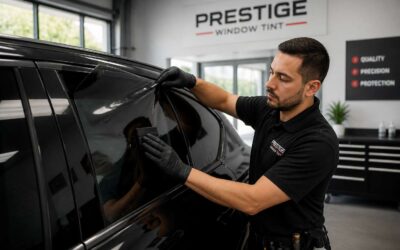
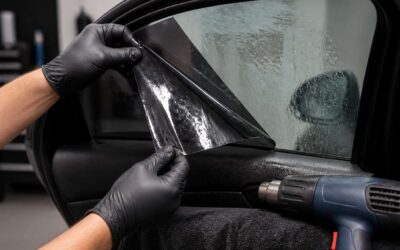
Inside a professional tints milwaukee installation bay, the process moves with measured precision. The glass gets a final residue free cleaning while the film is cut to exact specifications using a computer plotter. This upfront accuracy avoids uneven edges and gaps.
- The installer applies a slip solution to the interior surface.
- The film is positioned and set with a squeegee.
- A heat gun molds the film around curved glass edges.
- Technicians trim excess material and inspect under bright lights.
Each step depends on the previous one, and small mistakes become visible after the adhesive cures. That is why a respected tints milwaukee shop keeps the entire sequence in a controlled environment, free from dust and temperature swings. The result is a clean, durable install that holds up for years.
Common Mistakes to Avoid with DIY Kits
Expect professional tints milwaukee work to be measured, patient, and free of shortcuts. The film adheres without bubbles, the edges align with the glass, and the finish resists peeling. Good shops also handle the post install cure, so the product performs as intended.
With DIY kits, the common mistakes are predictable.
- Using too much slip solution, which delays adhesion
- Skipping the heat gun, leaving contours unformed
- Cutting by eye, creating uneven borders
Each error shows up after the adhesive cures. Professional tints milwaukee avoids these failures. The difference is visible in the details.
Maintaining Your Newly Tinted Windows
Walking into a professional shop for tints milwaukee changes the calculus entirely. The technician measures each pane with a laser template, cuts the film on a pristine surface, and shrinks it to match the glass curve. You watch the squeegee work from center to edge, forcing out every micro-bubble. The final product sits flush, with no silvering at the borders. That precision is the whole story!
Maintenance after installation is equally deliberate. For the first week, the film needs to cure. The adhesive traps moisture, which evaporates slowly through the tint. Clean the windows with a soft cloth and a mild ammonia-free solution. Avoid rolling down the windows for at least three days. The edges remain delicate until the bond sets. Proper care extends the life of your tints milwaukee well beyond the warranty period.
Residential and Commercial Window Film Solutions in Milwaukee
Enhancing Home Energy Efficiency with Tinted Glass
Windows account for roughly 30 percent of a building’s heating and cooling load. That figure explains why property owners choose tints milwaukee over replacing panes.
Milwaukee window film providers offer residential and commercial solutions for the same problem. East-facing rooms soak up morning sun and drive the thermostat upward. Floor to ceiling office glass does the same. Tinted glass applied to the interior reflects solar heat before it enters the conditioned space.
Modern films block 99 percent of ultraviolet rays and cut the infrared spectrum where most solar heat lives. Installers measure three factors before recommending a product:
- solar heat gain coefficient per window orientation
- visible light transmission matching the building’s aesthetic
- low emissivity coatings to prevent winter heat loss
For commercial buildings, tints milwaukee installers work with property managers who need consistent temperatures across large floor plates. For homes, the film adds comfort to rooms previously unusable in peak summer hours.
Storefront and Office Glare Control Solutions
Storefront glass absorbs sunlight and radiates heat by mid afternoon. Employees squint at monitors. Customers hesitate near the door. The answer is tints milwaukee applied to existing panes, an upgrade that takes hours, not construction weeks. For retail, film reduces glare that hides merchandise and washes out displays. For offices, it stabilizes temperature swings near the perimeter.
Commercial installers measure footcandles and solar heat gain before selecting a film. They balance visible light transmission with glare reduction. A film that blocks 60 percent of glare can still transmit 70 percent of daylight. This matters in showrooms and design studios where product color accuracy is essential.
Work with tints milwaukee providers who understand municipal codes and fire ratings for commercial glass. Security-grade films hold shattered glass together, an extra layer for storefronts. The same application gives employees comfortable sightlines and gives customers a clear view of the interior. That combination keeps storefronts functional and inviting.
Security Film Options for Business Owners
Residential solutions shift the priority from comfort to conservation, yet the installation process demands the same precision. Home offices face the same glare issues as commercial spaces, but privacy and UV protection for furnishings often take precedence. Tints milwaukee providers differentiate between these needs to select the correct film for living rooms and boardrooms alike.
- Break-safe films that retain shattered sections.
- Anti-smash films that delay entry attempts.
- Clear safety films that bypass visual tint requirements.
For business owners, security film is a separate product layer from standard solar control film. It adds tensile strength to the glass, holding fragments together upon impact. This slows forced entry and protects employees from flying glass during a break-in. Consult a tints milwaukee specialist to match film thickness with local building codes.
Finding Milwaukee’s Top-Rated Film Installers
Milwaukee’s glass surfaces carry different burdens. A home office demands privacy; a bank lobby demands bullet resistance. Tints milwaukee specialists understand that residential and commercial projects require distinct film chemistry and application methods. The best installers begin with a site audit, measuring solar heat gain coefficients and checking for existing seal failures. They also verify that the chosen film meets fire safety standards for commercial egress windows.
What separates top-rated installers from the rest? Their documentation, for one. They provide written warranties that transfer if you sell the property. They use water-fed squeegee systems to avoid scratching. And they calibrate cut patterns to within two millimetres of the frame edge.
1. Inspect the installer’s portfolio for jobs similar to your structure.
2. Ask about their removal process for old film layers.
3. Confirm they carry liability insurance for glass breakage.
Tints milwaukee shops that invest in digital cutting tables deliver cleaner edges than manual scoring. This matters for curved architectural glass. Choose an installer who explains the difference between a retrofit and a new construction film schedule.

0 Comments