
Rapid Tint Fundamentals
What is a rapid tint and when to use it
A single coat of rapid tint can shift a room’s mood faster than a thunderstorm. In South Africa’s sun-washed spaces, quick tints offer instant atmosphere without long downtime.
Rapid tint is a fast-curing layer that adds warmth, depth, or subtle color to glass and walls. It responds to daylight, changing the room’s character as the sun travels across the sky. This is the magic you glimpse when a space feels more timeless in minutes than hours of repainting.
- Speedy results with minimal downtime
- Consistent tone across surfaces
- Low maintenance and fade resistance
On every pane and plaster, the veil lifts in a whisper, revealing how light and hue can coexist in the same moment.
Key chemistry: dyes, pigments, and binders
A room can shift its mood in under 60 minutes when a rapid tint is at work—that’s the tempo of color reimagined in sunlit spaces. The quick tints rely on a careful trio: dyes, pigments, and binders, each delivering a distinct facet of the finish!
The fundamentals hinge on three players: dyes, pigments, and binders, each contributing a distinct character to the finish.
- Dyes: soluble color agents that provide transparency and subtle undertones.
- Pigments: insoluble particles adding depth and opacity for lasting color.
- Binders: resinous films that lock color to glass or plaster, boosting adhesion and durability.
When balanced, these components respond to daylight, delivering warmth and cohesion across surfaces while withstanding the SA sun’s rigors.
Processing times and safety guidelines
Sunlight doesn’t wait, and neither do quick tints. In sunlit SA spaces, processing times for these rapid finishes usually run under an hour when surfaces are ready and conditions cooperate—porosity, film thickness, and ambient temperature determine the pace more than any clock on the wall.
To stay safe and on schedule, follow these essentials:
- PPE: gloves, goggles, and a suitable respirator
- Ventilation: keep the room well-ventilated to disperse fumes
- Surface prep: clean, dry, and free of dust; temperature in the recommended range
In SA, sun intensity and heat can tilt the cure, so avoid applying during peak UV hours and respect the manufacturer’s guidelines and SDS for safety basics.
Ideal surfaces and expected color outcomes
Sunlight in SA workshop has a sharp eye for color, and quick tints respond in kind. “Speed without sacrifice is the tint’s art,” a veteran quipped, and the sentiment holds: when surfaces breathe, these rapid finishes settle fast, turning a tired substrate into a saturated note before the afternoon heat eases.
Ideal surfaces combine moderate porosity with cleanliness and dryness; a smooth, dust-free stage leads to even coverage.
- Even porosity that accepts pigment evenly
- Dry, dust-free surface for even uptake
- Smooth texture to prevent blotching
- Finish compatibility to avoid flake or mismatch
Expected color outcomes vary by substrate. On pale softwoods the tint glows with a honeyed warmth; hard woods deepen with amber and character; on metals or plastics, hues stay crisp and linear. In SA’s sun, heat and UV can tilt the cure, so shade and timing matter.
Types of Rapid Tint Methods
Temporary spray tints for instant color
Color changes whisper through time. In a market where campaigns pivot by the hour, quick tints deliver a decisive edge. A recent industry snapshot found 68% of design teams rely on rapid tint trials to lock in mood boards in minutes!
Types of rapid tint methods lean on portability, solvent choice, and fade dynamics.
- Temporary spray tints for instant color that dry quickly and wash out in a few shampoos
- Gel-based mist and foam tints for controlled coverage and easy reapplication
- Foam or water-based suspensions that blend with a surface without heavy buildup
For brands and salons in South Africa, these fast options mean experiments become experiences rather than commitments; color can shift as quickly as a conversation. Quick tints meet the moment.
Semi-permanent gels and gloss tints
In South Africa’s design spaces, 68% of teams lean on quick tints to lock mood boards in minutes, turning fleeting ideas into color realities. Semi-permanent gels and gloss tints rise to meet that pace, offering control without the heavy commitment of full color work.
Semi-permanent gels carve precise shapes on surfaces, resisting drips and washing into a manageable fade—much like careful handwork on a farm gate. Gloss tints layer a lacquered sheen, preserving brightness while remaining easy to refresh as conversations shift.
- Controlled coverage
- Easy reapplication
- Minimal heavy buildup
Portability matters—the gels and gloss tints travel easily between shoots or salons, drying cleanly and fading gracefully as lighting and mood shift. For brands and salons in SA, the approach becomes a language of possibility rather than permanence.
Cream-based tint pastes for quick customization
Across South Africa’s design studios, 68% of teams lean on quick tints to lock mood boards in minutes, turning fleeting ideas into color realities.
Cream-based tint pastes offer nimble, velvet pigment. They blend with a base to create precise, customizable shades—no heavy color work, just a smooth glide. Their creamy consistency resists drips and washes into a manageable fade as the mood shifts.
- Flexible intensity control
- Low buildup and easy cleanup
- Wide color range in portable jars
For those chasing color finesse, cream-based pastes turn complex palettes into confident, single-stroke decisions. They suit many surfaces—wood, metal, textiles—and cure to a satin or softly gloss finish that stays readable under changing light.
Fabric and hair tint compatibility
In South Africa’s design studios, color decisions leap from mood board to runway in minutes—more than 70% of teams report quick tints locking concepts before lunch!
Types of rapid tint methods for fabric span spray-on aerosols, rinse-off gels, and binder-anchored pastes. Each method plays differently with fiber structure, so compatibility hinges on weave, weight, and finish.
- Cotton and linen: absorbent surfaces that drink color with a soft fade.
- Synthetic blends: require milder solvents and sturdy binders to resist washout.
- Leather and suede: demand surface-safe tints that stay put yet soften with wear.
- Silk and rayon: respond to low-saturation hues and controlled heat-setting.
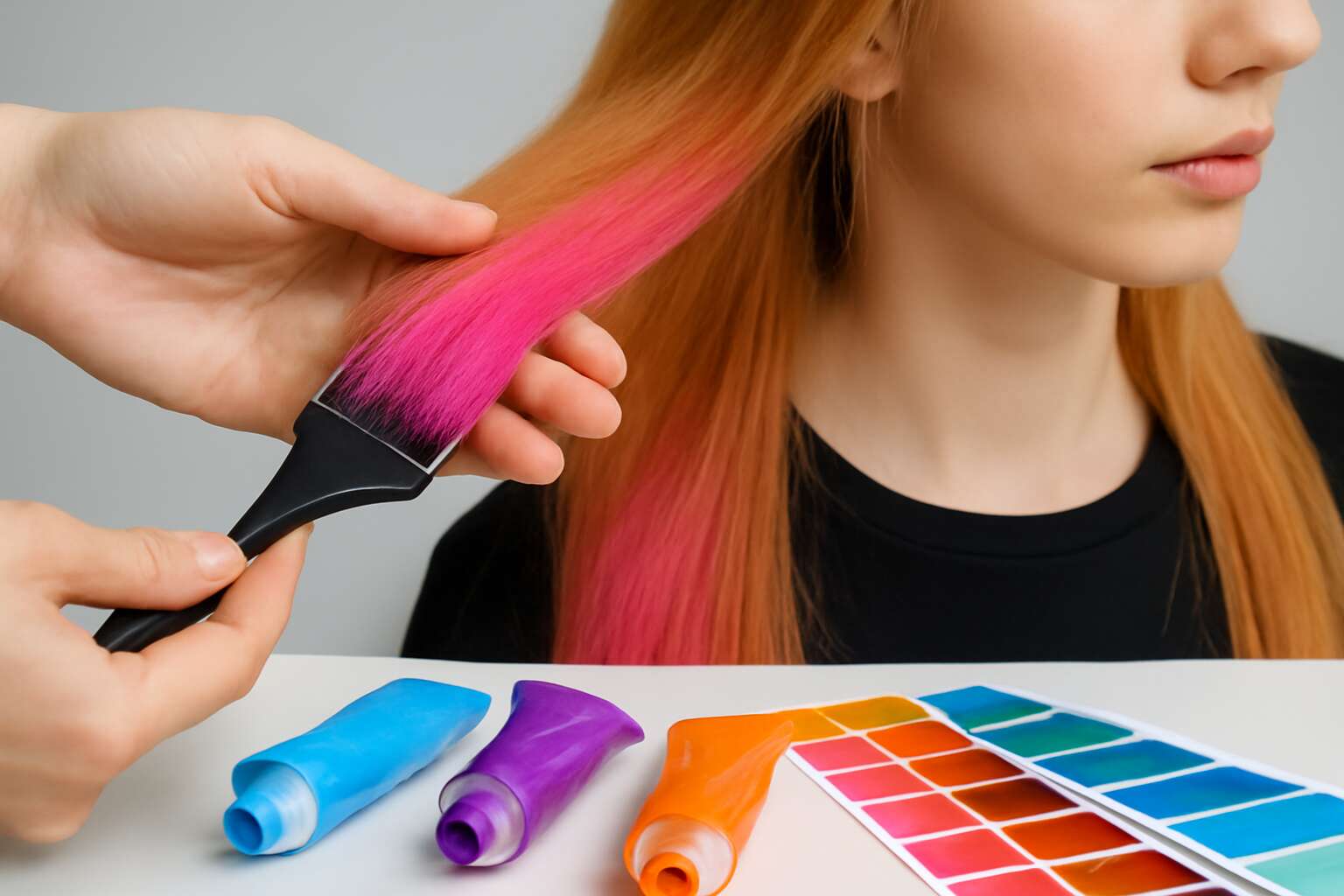
On hair, quick tints must respect the cuticle; options include pigment gels and short-acting sprays designed to rinse clean. For extensions, test shade transfer and adhesion.
All-in-one kits: pros and cons
In South Africa’s design studios, color decisions sprint from mood board to runway in minutes—more than 70% of teams lock concepts before lunch. Quick tints drive that momentum, and all-in-one kits promise color, mixing, and tools in a single, portable bundle.
- All-in-one convenience: dyes, activators, and applicators in one package
- Speed and consistency: standardized formulas minimize trial and error
- Limitations: smaller color ranges and less room for deep customization
- Best use: on-set quick tints and fast-turnaround projects
They work best when speed is the priority, but they aren’t a one-size-fits-all. For projects demanding nuanced depth or premium finishes, a modular approach with separate dyes, binders, or gels may win. Still, for project timelines that hinge on timely color decisions, these all-in-one kits keep teams aligned and color outcomes predictable from first pass to final polish.
Step-by-step Rapid Tint Applications
Prep and patch testing
Industry data shows 68% of tint mishaps trace to skipped patch tests, a sobering reminder that prep is persuasion. For quick tints, the prep ritual is a quiet opera—precise, unflashy, and worth every second!
Step-by-step readiness sets the frame for a flawless result:
- Prepare the surface: wipe clean, dry, and oil-free; smoothing edges as a courtesy to the color.
- Patch test on an inconspicuous area; observe for 24–48 hours before committing to a full application.
- Guard surrounding materials with a light barrier or tape to prevent unintended tint transfer.
- Calibrate the shade: mix a small amount on a disposable surface to preview the color against the target.
- Proceed to full application only if the patch test shows no adverse reaction and the color aligns with expectations.
Proper patience here yields even, predictable outcomes and minimizes the telltale do-overs that tarnish quick tints.
Applying tint with precision
Quick tints demand more than speed; they demand cadence. A Cape Town tint artisan once whispered, “Precision travels the quiet edge between shade and sheen.” In practice, rapid tint work wears a calm uniform, letting color unfold with intention rather than bravado, turning fleeting moments into lasting impression!
- Set a steady cadence to cover all edges evenly.
- Preview color against the target in a controlled area.
- Layer with deliberate, light passes to avoid over-saturation.
- Evaluate uniformity and adjust as needed.
The result is a seamless harmony that reads as professional and refined.
Setting times and masking techniques
In the workshop’s shadow, quick tints demand cadence more than speed—a truth a Cape Town tint artisan whispered: precision travels the quiet edge between shade and sheen. I learned to let color unfold with intention, not bravado, turning fleeting moments into lasting impressions!
Follow this ritual, where times are measured in breaths.
- Prep the surface: clean, dry, and mask edges with low-tack tape for crisp boundaries.
- Establish setting times: observe a brief window to prevent color creep.
- Masking technique: guard curves and corners with steady hands and clean tools.
- Apply in light passes: build the tint with calm, checking for uniformity after each layer.
Seen through controlled light, the result reads as professional and refined—no bravado, only cadence.
Rinsing, drying, and sealing color
In Cape Town studios, color operates on cadence rather than haste, a breath between shade and sheen. Observers report that quick tints halve turnaround in busy workshops, turning pressure into a quiet precision. Precision travels the quiet edge where pigment finds its rhythm and finishes with a refined glow.
Rinsing, drying, and sealing form the trio that steadies the process. Rinsing lifts stray specks while controlled light guards the transition from wet to set. Drying follows with a soft, even airflow, coaxing moisture from the pores of the surface. Sealing locks the moment, a clear veil that keeps tone true.
- Rinse to lift excess pigment, staying within the clean line.
- Dry with a gentle breeze until the surface breathes evenly.
- Seal with a compatible finish to preserve uniformity.
Seen under deliberate lighting, the result reads as professional—no bravado, only cadence.
Maintenance, Removal, and Aftercare
Maintaining vibrancy with color-safe routines
Across South Africa’s sunlit cities, color fades can feel like a fast-moving headline. A striking 62% of quick tints clients notice visible shift within ten days unless routines support the hue. Maintenance is part of the look, not an afterthought. A color-safe regimen—gentle cleansing, cool rinses, and savvy sun shielding—keeps vibrancy gliding through the days and into the next refresh.
- Color-safe formulas and gentle cleansers
- Cool water rinses and light washing frequency
- Sun protection and wind shielding
- Rinse after swimming to minimize chlorine and salt residue
Removal isn’t surrender; it’s a reset that respects the underlying texture and surface. Gentle fade or professional color correction can align tone with current preference, avoiding harsh patches or uneven saturation.
Aftercare transforms the impression left by color work. Hydration, shielding from UV, and considerate styling help preserve depth and sheen in the South African light, turning every day into a confident, wearable tone.
Removal options and safety considerations
Maintenance keeps the shine tactile and the tone convincing in South Africa’s sun-burnished light. For quick tints, a ritual of gentle cleansing, cool rinses, and UV-aware styling keeps color from slipping into dullness, turning every wash into a moment of reaffirmation.
Removal options and safety considerations: When the hue wanders, a mindful reset respects the surface.
- Patch testing 48 hours before new products or shade changes
- Ensure ventilation and wear gloves during any procedure
- Avoid overlapping onto previously treated areas to protect texture
Aftercare completes the impression, offering a quiet encore to the color story. Hydration, UV shielding, and restrained heat styling preserve depth and luminosity in SA light, keeping quick tints looking deliberate in daily life.
Troubleshooting common issues
Maintenance keeps the glaze tactile and the color faithful under South Africa’s relentless sunlight. With quick tints, routine cleansing, cool rinses, and a shield of hydration preserve depth and clarity, turning each wash into a moment of affirmation.
Troubleshooting common issues reveals quiet tells: tone drift in peak sun, patchy uptake along porous strands, or coppery warmth after heat. When signs appear, re-evaluate surface prep and shade balance; avoid crowding products, check UV exposure. With quick tints, recalibration after styling can restore uniformity.
Removal: When the shade wanders, a mindful reset respects the surface and preserves texture. Avoid aggressive scrubs or overlapping onto treated zones; a patient approach yields a cleaner canvas for future color.
Aftercare completes the impression, offering a quiet encore: hydration, UV shielding, and restrained heat styling preserve depth and luminosity in SA light, keeping quick tints looking deliberate in daily life.
Long-term effects on surfaces and fabrics
Maintenance is the quiet ritual that keeps color faithful under South Africa’s sun. With quick tints, routine cleansing becomes a ceremony, not a chore. Gentle, pH-balanced cleansers and cool rinses protect surfaces and fibres, letting texture breathe. These small acts, I tell you, stand as a shoreline against fading.
- Surface resilience stands firm in blazing light
- Color depth remains steady across fabrics
- Texture and tone linger without harshness
Removal: When shade wanders, a mindful reset respects the surface and preserves texture. Avoid aggressive scrubs or overlaps onto treated zones; a patient touch keeps the narrative intact.
Aftercare completes the impression, a quiet encore: hydration, UV shielding, and restrained heat styling preserve depth and luminosity in SA light. Over time, these choices shape long-term effects on surfaces and fabrics, keeping gloss balanced and hue legible.



0 Comments