
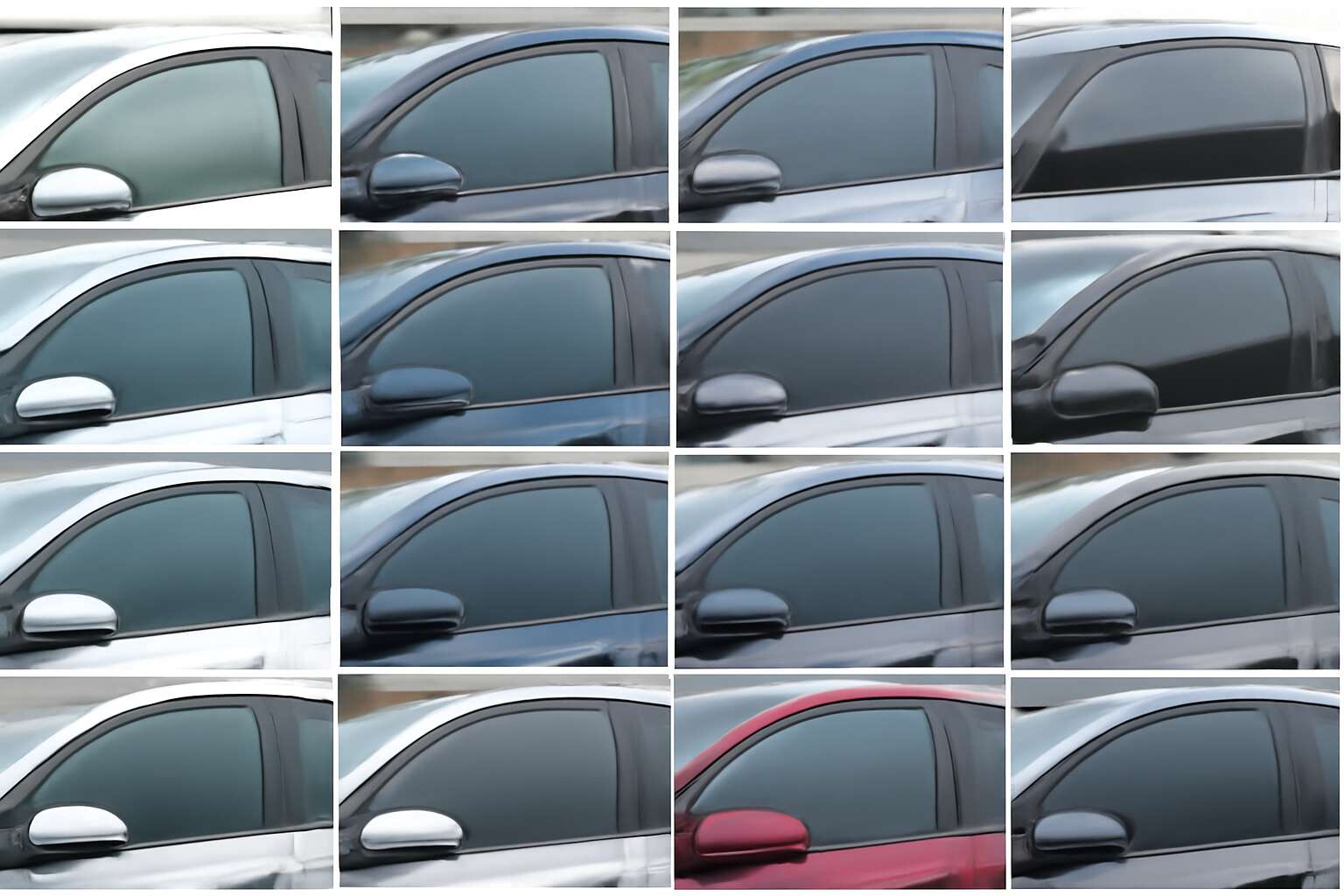
Car tint options: a guide to 15 tints on car
Overview and reader intent
The SA sun tests every ride, and shade becomes strategy. More than half of drivers report cooler interiors after the right tint, a real win against heat and glare. 15 tints on car reshapes how we think about light, privacy, and road presence—from Cape Town to Jo’burg.
Each tint category hints at a mood: clarity, privacy, UV defense. I notice comfort that doesn’t compromise visibility.
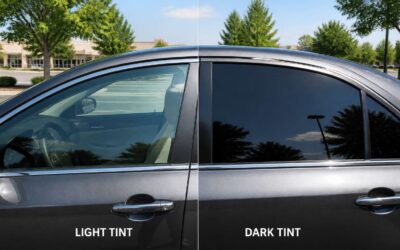
- Light tints balance glare with daytime clarity.
- Mid-range shades preserve road cues while boosting privacy.
- Dark films curb heat and fade, within legal limits.
For South African readers, the choice is more than aesthetics; it’s a daily shield under a relentless sun.
Tint types and features
In the brutal noon sun that runs from Cape Town to Jo’burg, a car’s tint is more than shade—it’s shield and signal. Across South Africa, 68% report cooler interiors with the right film, a quiet win against glare and heat. Shade is strategy.
The 15 tints on car chart a quiet drama—from near-clear UV films to deep, road-muting charcoals. I’ve seen how the right option preserves clarity while boosting privacy. Here are a few standout flavors:
- Light UV-blocking films for daytime clarity
- Bronze-tinted options for warm privacy
- Mid-tone gray that preserves road cues
- Dark charcoal for heat rejection within legal limits
On SA roads, the choice shapes presence and protection under a relentless sun, turning glass into a living mood board that speaks before you roll.
Performance, legality, and safety considerations
In the SA glare, tint goes beyond style—it’s a shield and a signal. The options keep heat down, glare out, and privacy in check. This piece introduces a guide to 15 tints on car, framed around performance, legality, and safety.
From near-clear UV films to deep, road-muting charcoals, each tint carries a balance of light and law. I’ve seen how a single film can turn a stifling cabin into a cool, quiet space. Here’s a quick view of what matters without diving into the obvious:
- Performance: heat rejection, UV protection, and glare control
- Legality: reflectivity limits, transparency thresholds, and provincial rules
- Safety: impact on night visibility and road cues
With this lens, the choice becomes a mood and a measure—part shield, part statement.
Professional installation and maintenance
South Africa’s glare is not merely inconvenient; it is a polite form of coercion. A well-chosen film can shave heat, soften glare, and keep interiors poised—without shouting about it.
The catalog of options—15 tints on car—runs from near-clear UV films to deep charcoal shades. Each hue negotiates light, privacy, and road presence in its own tongue, turning a stifling cabin into a sanctuary that still speaks to the driver’s prudence.
- Uniform density for a clean, even look that ages gracefully
- Durability against SA sun, maintaining clarity and colour over years
- Respect for reflectivity and transparency expectations to stay compliant
Professional installation and maintenance ensure the film remains flawless, the seals tight, and the finish faithful to shade and clarity—an effortless upgrade that ages with grace.
Buying guide, pricing, and FAQs
The sun doesn’t negotiate; it writes the terms of your ride. In SA, a smart buyer uses the 15 tints on car catalog as a shield—balancing heat, glare, and privacy without shouting for attention.
A fair buying guide weighs price against performance. Film quality, UV rejection, and the installer’s expertise shift cost, while the car’s size alters the bill. Expect premium options to hold clarity longer, especially under our relentless sunshine.
- Film type: dyed, metallized, ceramic
- Vehicle size and window count
- Brand, warranty, and future resale value
FAQs guide the curious: what tint level respects SA legality and won’t fade? How long does installation take? A typical session fits a day with proper climate control and inspection.
0 Comments