
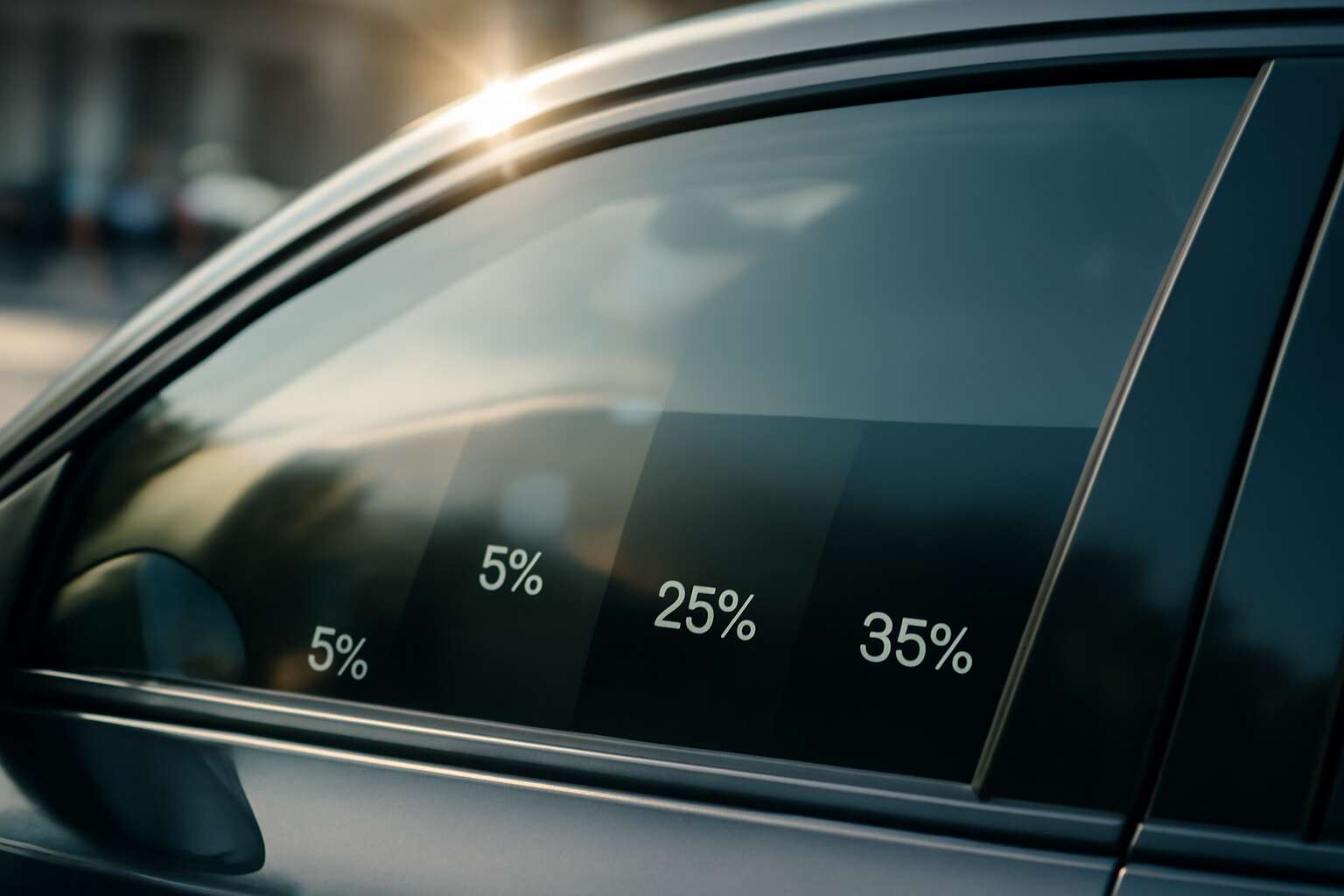
Getting started with tint percentage: what it is and why it matters
What is tint percentage and how is it measured
A recent survey found 68% of interior decisions hinge on light control, and the right tints percentage lets you command that blaze rather than surrender to it. It defines how much daylit clarity passes while guarding privacy.
Measured as a visible light transmission (VLT), a tint percentage translates glass into mood—cooler rooms, reduced glare, and calmer corners. It matters for homes, offices, and boutiques where ambience meets efficiency.
- Sun exposure and room function
- Glass type and orientation
- Local regulations and safety standards
South Africa’s bright climate makes this topic vivid; the level you choose shapes comfort, energy use, and the way interiors feel as daylight dances across surfaces.
Common tint percentage ranges for cars, homes, and cameras
Getting started with tints percentage is a climate-smart decision in South Africa’s glare. It defines how much daylight makes it to the living room while preserving privacy and curb appeal. A light touch yields a cooler ambience and less glare; too much shade can turn a room into a cave.
Common ranges offer a pragmatic starting point:
- Cars: 15%–35% VLT for comfort and visibility
- Homes: 20%–60% VLT to balance daylight and privacy
- Cameras: 60%–90% VLT for exterior awareness with glare control
In a sun-burnished country, the choice threads comfort, energy use, and how interiors feel as daylight sweeps across surfaces.
Why tint percentage affects visibility, heat, and UV protection
South Africa basks in some of the world’s fiercest glare, and the tints percentage you pick acts like a quiet shield, slicing glare while guiding daylight where you want it. In a climate-smart move, this figure tunes visibility from the driver’s mirror to the living room’s silhouette, shaping energy use and comfort without sacrificing privacy.
With the right balance, you keep interiors bright yet cooler, and you reduce UV fade on fabrics and artworks. The tints percentage controls how much sun filters in, which in turn influences heat gain and outdoor-to-indoor perception. When done thoughtfully, it feels invisible—yet it quietly redefines how South Africans live with the sun, lighting, and glass.
Reading tint percentage labels and diagrams effectively
South Africa’s sun doesn’t RSVP; it just crashes the party. The right tints percentage acts as a quiet shield, turning glare into a polite suggestion rather than a full-on glare-offense!
Getting started means understanding what those numbers on labels and diagrams actually mean. They show how much sunlight passes through, influencing visibility, interior comfort, and fabric longevity. Diagrams map shade against transmission, helping compare options without a calculator. In a climate-smart country, a thoughtful choice quietly redefines how glass, light, and space coexist.
Tint percentage in automotive windows: limits, legality, and best practices
Understanding regional tint percentage limits and laws
South Africa’s sun is renowned for auditioning our skins; tints percentage can slash interior heat and glare by up to 60% on blazing days. That figure is more than a comfort hack — it’s a practical measure for safety, privacy, and the art of sensible style with glass.
Understanding regional limits and laws matters. Jurisdictional rules differ across provinces and municipalities, often setting higher light transmission requirements for front windows than for rear. The goal is to balance driver visibility with heat reduction, not to tempt fate with fashion at the expense of safety.
In practice, compliance is a tapestry of regional rules, labeling conventions, and the quiet diligence of installers who respect safety and visibility. The glass becomes a stage for privacy without losing track of the road.
Knowing your tints percentage helps avoid fines and glare, while maintaining night-time visibility and occupant comfort.
Choosing the right tint percentage for daytime visibility and safety
In South Africa’s radiant glare, glass becomes a canvas where light and law mingle. The tints percentage you select isn’t mere decoration; it carves the daylight into shade and clarity, shaping how you see and how others see you. Front windows typically demand more light, rear windows offer more privacy; rules drift with province and city, yet the aim remains steadfast: vision that is safe, steady, and stylish. South Africa’s roads deserve clarity as much as character.
Best practices cherish legality without sacrificing comfort. A shade that respects the region sits with the quiet craft of an installer who treats glass as art, not a gamble on visibility.
Impact of tint percentage on heat rejection, glare reduction, and UV protection
I’ve learned that sunlight in South Africa isn’t merely bright—it’s a force that writes its own weather on the windshield. The tints percentage you choose can slice glare and heat, with up to 40% less glare during peak sun.
Limits and legality must dance together. Front windows usually demand lighter tones; rear windows can be darker within province rules. The right tint blends safety, comfort, and law in equal measure.
- Maximize heat rejection while preserving field of view
- Minimize glare for crisp, calm visibility
- Provide UV protection to protect interior and skin
Best practices come from an installer who treats glass as art and science, respecting the region’s limits, delivering a stylish, clear view!
How to verify tint percentage with installers and certification tools
South Africa’s sun is a sculptor, shaping heat and glare into its own weather on the windshield. The tints percentage you choose can curb glare and reclaim cabin comfort, even when the light seems to press in from every angle!
Limits and legality must dance together. Front windows typically stay lighter to preserve daytime visibility; rear windows can carry darker shades within provincial rules. The right tints percentage blends safety, comfort, and law in equal measure.
Best practices come from an installer who treats glass as both art and science, honoring regional limits while delivering a stylish, clear view.
- Certified tint meters and calibration
- Clear labeling and installation certificates
- Documented compliance with local regulations
Verification with installers and certification tools measures accuracy and trust, ensuring the shown tint aligns with standards and withstands inspection.
Tint percentage in photography and videography
Defining tint percentage in color grading and white balance
The Cape sun can roast a scene faster than you can blink—until you respect tints percentage. In photography and videography, tints percentage defines how much color bias you introduce during color grading and how white balance leans toward a neutral target.
In color grading, small shifts in tints percentage tilt the overall mood; in white balance, it corrects ambient color cast so skin looks right on-screen.
- Color grading consistency
- White balance calibration
- Skin tone preservation
In South Africa, variable daylight requires careful alignment to maintain legibility and visual appeal across scenes.
Measuring tint percentage with filters, meters, and software
That Cape sun can roast a scene in seconds; mastering tints percentage keeps mood and truth in balance. In photography and videography, small shifts tilt the palette, shaping emotion without derailing white balance. Editors report up to 60% of midday scenes needing tint corrections under harsh glare.
Measuring color tint levels relies on a triad: filters, meters, and software.
- Filters: color correction and graduated tints
- Meters: ambient light and tint readings
- Software: color grading suites with vector scopes and tint sliders
These tools translate light into data that guides grading and white balance.
In South Africa, daylight can swing from crisp noon glow to soft dusk in moments, demanding a steady hand and refined perception. The pursuit of consistent tint across scenes remains a subtle art that shapes how viewers read skin and space on screen.
Impact of tint percentage on color accuracy and skin tones
In the noonday glare and soft dusk of South Africa, the tints percentage isn’t a cosmetic flourish—it’s a calibration tool that guards color accuracy and skin tone truth. Industry notes show up to 60% of midday scenes needing tint corrections under harsh glare, and a fraction of a point can push a copper undertone toward mud or pull a sunlit cheek toward pink, subtly changing how a character reads—age, mood, and intent.
Small shifts tilt the palette without wrecking white balance, so colorists rely on precise vector scopes and thoughtfully tuned grading to preserve skin nuance and space fidelity across scenes. The payoff is storytelling honesty: viewers perceive authentic complexion variation, natural textures, and emotional resonance rather than glare-driven distortions or artificial warmth.
Best practices for maintaining consistent tint percentage across shoots
South Africa’s sun doesn’t negotiate, and neither should your footage! In practice, maintaining a stable tints percentage across shoots is less alchemy than discipline: lock a baseline in the camera, keep lighting and exposure consistent, and run a quick sanity check after every setup.
Create a shared reference with the crew—one neutral frame, one reliable gray card, and a shot log that records any tint tweaks per scene. I know this from long days under the SA sun. Use the same filters and lenses, and insist on a color-managed pipeline from shoot to edit. When the light flips, your tints percentage should not. This quiet consistency preserves skin tones, mood, and readability, letting the story breathe instead of glare and warmth playing puppeteer.
Tint percentage for homes and buildings
Selecting window tint percentage for energy efficiency and glare control
South Africa’s sun never rests, and the right tints percentage can turn a sunlit room into a cool, inviting retreat. Selecting window tints for energy efficiency and glare control is a practical act of stewardship—shielding interiors from heat while preserving daylight.
In homes and offices, the choice hinges on light, privacy, and comfort. I’ve watched rooms soften as surfaces glow less harshly and colors stay truer when shade aligns with the rhythm of the day.
- Heat rejection stays balanced across seasons
- Glare is controlled without sacrificing view
- Maintenance keeps the look consistent
In the end, glass becomes a quiet collaborator in the home’s story.
How tint percentage affects daylight, privacy, and interior ambiance
South Africa’s sun is a tireless maestro, and the right tints percentage tunes its performance! When chosen with care, glass stops being a glare machine and becomes a welcoming filter—balancing daylight, heat, and privacy in one breath.
Daylight pours in with a softer purpose: enough glow to keep spaces alive, yet gentle enough to preserve color accuracy of painted walls and fabrics. Views stay crisp, while neighbors see less intrusion. The room feels larger, not darker, and interiors retain their mood from dawn to dusk.
Across seasons, the tints percentage acts as a quiet steward, smoothing contrasts and guiding energy use without fuss. In homes and buildings, glass stops fighting the light and becomes a collaborator in design, shaping ambiance as surely as furniture and light fixtures do.
Methods to measure and adjust tint percentage on existing windows
South Africa’s sun is a tireless maestro, and the tints percentage you choose for homes and buildings conducts its rhythm. When thoughtfully selected, glass softens daylight, preserves color, and neighbours drift out of the frame of your private moments.
To understand what you have or what you could gain, consider high-level approaches to measure and adjust the tints percentage on existing windows. A licensed assessor can verify the current level with calibrated equipment and compare it to building standards. If a change is desired, retrofitting with new film or harmonizing with shading solutions offers a cohesive path.
- On-site professional assessment to quantify the tints percentage across panes and ensure uniformity
- Retrofits with additional window films to adjust the tint percentage without replacing glass
- Strategic planning to align tint percentage with energy performance and interior design goals
Cost considerations and ROI of different tint percentages
South Africa’s sun is relentless, and the tints percentage you apply to homes and buildings can redefine comfort and costs. I’ve watched spaces shed heat and glare while daylight remains; the ROI often appears sooner than expected when energy tariffs climb. Upfront costs for film, installation, and assessment fade against long-term cooling savings and improved occupant well-being.
ROI rises with strategic alignment between tint choice, climate, and use patterns; higher tint levels deliver stronger heat rejection but may reduce daylighting. Consider these ROI drivers:
- Upfront film and installation
- Energy savings over typical seasons
- Maintenance and lifespan
Maintenance, safety, and durability of tint percentage
Durability and coatings that preserve tint percentage over time
Maintenance, safety, and durability orbit around tints percentage. A well-chosen film gates heat and UV rays while preserving daylight clarity, even as sun-drenched drives stretch into late afternoons. In South Africa’s glare, durability improves when coatings support it and resist fading.
- Ceramic or hybrid films with UV inhibitors that stabilize color
- Hydrophobic top coats that resist dust, moisture, and micro-scratches
- Scratch-resistant laminates designed to withstand daily exposure
Safety remains paramount; when tint levels stay steady, glare is controlled and color perception stays true for pedestrians and drivers alike. High-quality coatings fend off delamination and micro-scratches, preserving performance across dusty SA seasons.
Maintenance routines to prevent fading, bubbling, and peeling
A telling stat drifts through the rearview: drivers who keep tint levels steady report crisper daylight and truer hues as the sun climbs. The trick is in maintaining a consistent tints percentage that holds its line even as shadows grow.
Maintenance isn’t flashy but it is ritual—gentle cleaning, avoiding harsh cleaners, and periodic inspections by professionals help keep fading, bubbling, and peeling at bay. This discipline preserves color consistency across seasons.
Safety remains paramount; when the tint remains stable, glare is controlled and color perception stays true for pedestrians and drivers. That reliability reinforces a safer environment because the system behaves predictably.
Durability thrives in South Africa’s glare; coatings designed to resist fading work with the sun, dust, and heat, keeping the tints percentage faithful as late-afternoon light lingers.
Warranty considerations, service options, and coverage periods
In the scorch and shade of South Africa, a reliable warranty acts as a guardian for your tints percentage. Warranty considerations vary, but many programs cover film integrity and adhesion for 1 to 5 years, depending on the product and installer. The promise isn’t just ink on paper — it’s a map back to consistent color and glare control as the sun travels its arc.
Service options span the spectrum from on-site inspections to replacement under warranty. Choose providers that outline coverage periods and processing times so the tint remains faithful.
- On-site diagnostic checks and adjustments
- Professional reapplication or replacement under warranty
- Transferable coverage when ownership changes
Durability and coatings sharpen the warranty’s edge, as if a quiet sentinel stands watch under South Africa’s relentless glare.
Common myths about tint percentage performance and longevity
“Tint is not a luxury; it’s a shield against the sun,” and in South Africa the glare rides the horizon. When we talk about tints percentage, durability and safety aren’t niceties but commitments kept by film and installer.
Maintenance and coatings do the quiet work, preserving adhesion and hue as the sun sweeps its arc. The truth about tints percentage rests in endurance and trust rather than bravado.
- Myth: Higher tints percentage automatically worsens night visibility. Reality: quality film maintains safe night vision while taming glare.
- Myth: tints percentage lasts forever. Reality: coatings can degrade with time, heat, and sun exposure despite confident claims.
- Myth: Maintenance is optional. Reality: proper care protects the tints percentage and adhesion, sustaining performance over time.
Durability on South Africa’s sun-wrought highways is a chorus of film quality, adhesion, and conscientious care—truth eclipsing myth whenever the tints percentage is measured against purpose and protection.

0 Comments