
Understanding Window Tinting and Vehicle Wraps
Types of Window Films and Tint Shades
Sun-scorched South Africa makes cabin temps a priority, and smart tints and wraps can trim heat—roughly 25% cooler interiors on hot days, according to local testing. The right choice fuses style with practicality and protects upholstery.
Understanding window tinting and vehicle wraps reveals two distinct crafts—two sides of the same coin.
Types of window films offer benefits:
- Dyed films soak up heat and provide solid value.
- Metalized films add strength and glare control (note possible signal interference).
- Ceramic films excel in heat rejection and clarity.
- Carbon films balance heat control with a natural look.
Tint shades range from barely-there to inky blackout, with limits often dictated by local law. The spectrum helps temper glare, protect interiors, and sharpen the vehicle’s understated style alongside tints and wraps.
Overview of Vehicle Wrap Materials
Heat on South Africa’s highways is a constant companion, but tints and wraps offer real relief and personality. A well-fitted wrap can make the cabin feel cooler on hot days, while tinting reduces glare and protects upholstery. They’re two crafts, one shared goal: comfort and style.
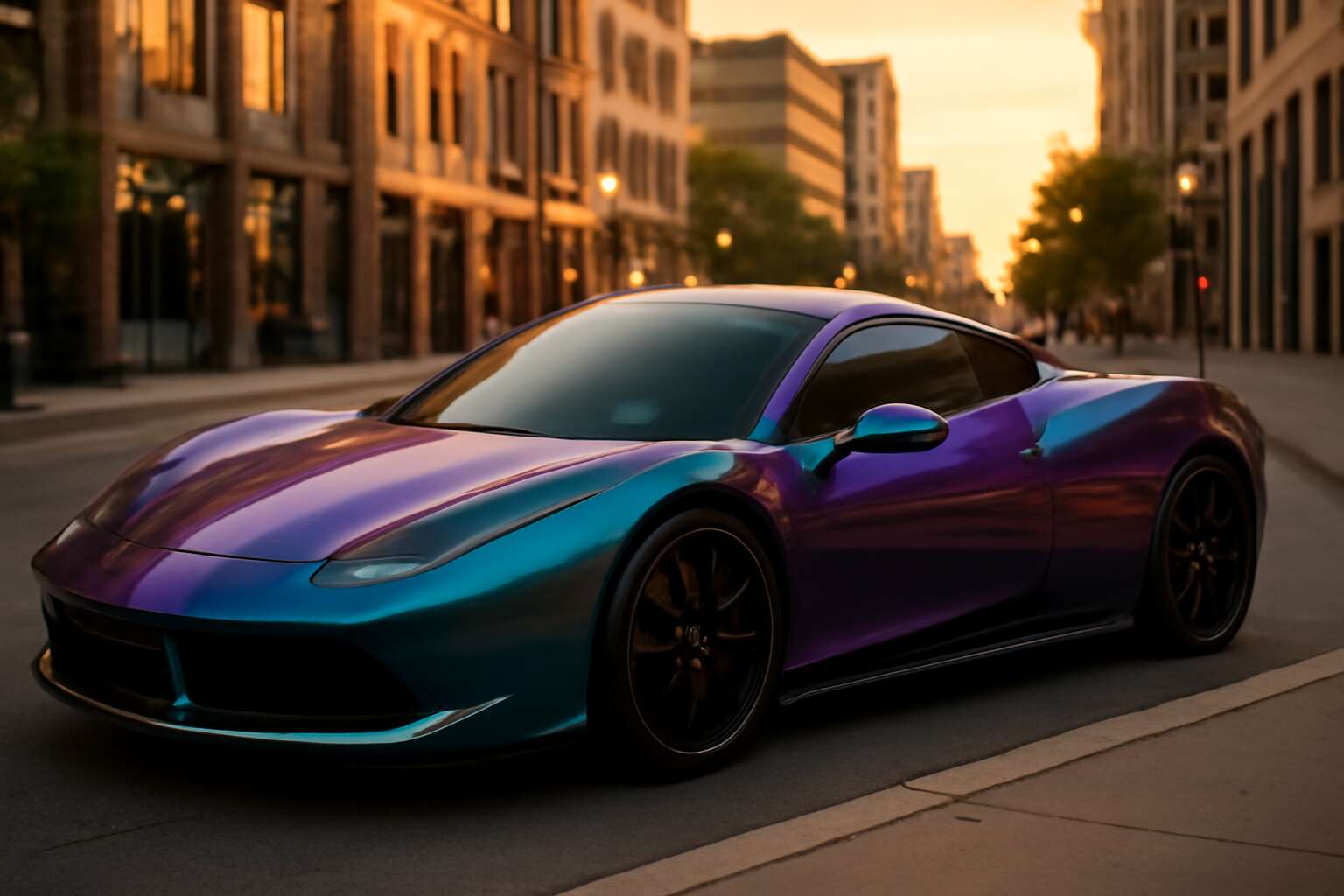
Overview of Vehicle Wrap Materials: The backbone is vinyl film, selected for durability and finish. Cast vinyl glides over curves and lasts longer; calendered vinyl offers bold, cost-effective coverage. Laminates protect color, while UV-resistant inks hold up under sun. Finishes range from gloss to matte to satin.
- Cast vinyl: durable and pliable
- Calendered vinyl: budget-friendly for broad areas
- Laminates and overlaminates: UV protection and sheen
Together, tints and wraps translate sun and street into a crafted, durable statement.
Differences Between Tinting and Wrapping
The South African sun is a relentless artisan, painting cabins with heat and glare. In this blaze, tints and wraps offer real relief and personality. Tinting stays with the glass, dulling heat and glare; wrapping cloaks the exterior, turning color into a statement and shielding the paint. Two crafts, one shared goal: comfort and style.
Consider these contrasts:
- Placement and reach: window film for glass versus vinyl on the exterior panels.
- Purpose: tinting reduces heat and glare; wrapping changes appearance and adds protection.
- Durability and upkeep: wraps withstand road wear and are removable; tints can fade and may require reapplication over time.
- Application and cost: wraps demand precise installation over complex curves; tinting is quicker and typically less invasive.
Together, tints and wraps translate sun and street into a crafted, durable statement that travels across South Africa.
Legal Considerations and Safety Standards
South Africa’s sun is a stern sculptor, shaping every drive with heat and glare. In the realm of tints and wraps, legality is the quiet compass that keeps journeys safe and stylish. “Visibility is safety dressed in color,” a seasoned installer likes to remind us. Knowing how laws frame window film and exterior wraps helps craftsmanship flourish without risk, letting comfort ride beside character.
- Regulatory scope for front-side windows and windshields across provinces
- Film and print materials meeting local safety standards and certifications
- Documentation and periodic inspections to sustain compliance
Safety standards demand professional installation and durable materials that weather Cape heat without bubbling. Reputable suppliers align with local norms and international benchmarks, ensuring adhesives, films, and inks resist UV fade and pass basic safety checks. In this light, tints and wraps become not only a design choice but a responsible itinerary for South African roads.
Materials and Variants for Window Films and Vehicle Wraps
Ceramic, Dye, and Metallized Films Explained
South Africa’s sun bites hard, turning a parked car into a hot box. The right tints and wraps cut heat, glare, and UV, protecting interiors and skin while keeping the ride comfortable—no fluff, just results.
Three variants dominate the market for window films and vehicle wraps:
- Ceramic films: top heat rejection, non-reflective finish, excellent UV protection, and long-term clarity.
- Dye films: budget-friendly tint with even color and decent UV blocking, but potential fade over years.
- Metallized films: strong heat reflection and glare reduction, highly durable, yet may interfere with GPS, radio, or keyless signals if dense.
Choosing a variant comes down to climate, usage, and expectations for appearance. Ceramic offers balance, dye covers basics with affordability, and metallized suits extreme heat—with awareness of potential signal interactions.
Gloss, Matte, and Satin Wrap Finishes
Materials and variants for window films and vehicle wraps speak to both function and aesthetic. Behind glossy, satin, or matte faces lie durable vinyl, adhesive chemistries, and layer stacks designed to resist South Africa’s sun. Gloss finishes maximize color depth and clarity, while matte reduces reflections and fingerprints. Satin settles between, offering a quiet sheen that softens edges without washing out the hue. The choice influences heat rejection, UV protection, and the overall character of the ride.
Consider these finish profiles:
- Gloss: vivid color, sharp detail, easy cleaning, and maximum visibility.
- Matte: low glare, conceal micro-scratches, and a subdued, sophisticated look.
- Satin: balanced sheen, tactile depth, and versatile street presence.
This trio underpins the practical art of tints and wraps in South Africa.
Vinyl, PVC, and TPU Backings for Wraps
South Africa’s sun is a furnace for paintwork; UV levels routinely scorch dashboards and cast glare into the shadows of a noon highway. That brutal glare makes the right backing as vital as the pigment itself. When we speak of tints and wraps, the skin that carries color—vinyl and its kin—decides how long the shade lasts, how clean the glare remains, and how the film ages in the heat.
- Vinyl-based backings: flexible, adhesive-friendly, ideal for curves.
- PVC-based backings: stiffer, cost-effective, solid UV resistance.
- TPU-based backings: premium durability, excellent stretch under heat.
These backings team with layer stacks and adhesive chemistries to balance heat rejection, UV protection, and longevity. The right combination preserves color depth and keeps the film anchored as the SA sun keeps watching.
Color, UV Rejection, and Visible Light Transmission Metrics
In SA, UV indexes top 11 on blistering days—the sun is a solar forge, as one designer likes to say. This is where tints and wraps act as armor, curbing glare while letting the color speak with depth and energy.
Materials and variants for window films and vehicle wraps hinge on color fidelity, UV rejection, and visible light transmission metrics. Typical VLT readings stretch from 5% to 70%, with UV rejection often exceeding 99% on premium builds, preserving hue and reducing heat load without washing out detail.
- Color stability under sustained sun exposure
- Reliable performance across the visible spectrum
- Adhesive longevity and removal ease
In practice, formulation and backing choices dance together to balance heat rejection, glare, and longevity, all while keeping SA’s roads bright and the color true. tints and wraps
Installation Processes and Best Practices
Professional vs DIY Tinting: Pros and Cons
Quality isn’t on sale; it’s built into the finish,” says a veteran installer in Cape Town. When examining installation processes and best practices for window films and wraps, precision matters as much as color. South Africa’s bright sun and varied climates make a flawless finish a practical necessity, not a luxury.
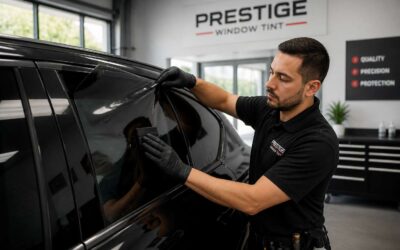
Professional tinting offers warranty protection, calibrated adhesives, and meticulous alignment, reducing bubbles and edge lift. DIY promises savings, but risks miscuts, under- or over-adhesion, and shorter lifespans—an unequal bargain in a market where tints and wraps demand precision.
A few high-level checkpoints help gauge readiness and outcome.
- Surface preparation and cleanliness
- Precise alignment and edge management
- Environment control and curing considerations
- Final inspection and care guidance
Surface Preparation and Cleaning Protocols
South Africa’s sun has a way of exposing every flaw in a film’s first touch. A practical stat haunts the workshop: 90% of installations fail because prep was rushed. For tints and wraps, the finish begins with a truth you can see: flawless surfaces demand relentless cleanliness.
Surface prep and cleaning: remove wax, silicone, and old sealants. Degrease with a 70% IPA wipe. Dry with a microfiber cloth, away from wind and direct sun.
- Inspect for residual contaminants
- Wipe with IPA and tack cloth
- Final dry before film application
Tools and Techniques for Wrapping
South Africa’s harsh sun is unforgiving to late-night installs. A stark stat haunts the workshop: 90% of installations fail because prep is rushed. A flawless wrap starts long before the film meets metal. Installation is a careful dance—panels aligned, edges sealed, heat applied just so. Respect the process, and the final look feels almost supernatural.
Mastery comes from the right tools and disciplined technique. Work in clean, dust-free light, with careful measurement and patient film handling. Essential tools include:
- Quality felt squeegee
- Low-tack tape and markers
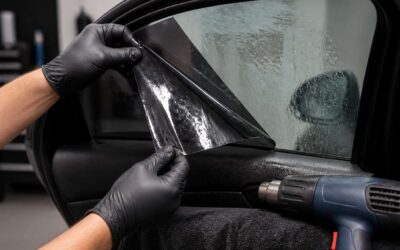
- Professional-grade heat gun
- Sharp blade and cutting mat
- Spray bottle with IPA for tack release
- Magnetic or clip-on guides
Craft hinges on consistent tension, collaboration for large panels, and deliberate edge finishing to ensure longevity.
In the SA market, tints and wraps demand deliberate engineering—pattern overlays, test panels, and edge control—so the finish remains flawless under intense sun.
Dry vs Wet Install Methods and Risks
The South African sun compels patience and poetry in tints and wraps; installation becomes a dialogue between craft and light, where every crease is judged by a quiet audit of fit and polish. The best work begins long before the first panel meets metal.
Dry installs prize purity—dust-free air, precise contact, and tight seams—yet they invite stray particles that betray a flawless line. Wet installs cradle the film with slip and moisture, easing curves but prolonging cure times and inviting unseen challenges under the glare.
For tints and wraps, the choice is a measured balance. Consider:
- Environment: cleaning, lighting, dust control.
- Edge control and tension: patience in finishing.
- Cure dynamics: heat, sun exposure, and timing on the clock.
In SA shops, these considerations write the destiny of a flawless finish under an unforgiving sun.
Maintenance, Durability, and Longevity
Cleaning Guidelines to Preserve Film Clarity
The sun in South Africa isn’t shy; it stamps its memory on film clarity. Maintenance? It’s not optional—it’s the shield that keeps tints and wraps looking sharp year after year. Clean, gentle care slows fading and micro-scratches, especially on hot days.
- Rinse with clean water before washing
- Use a pH-neutral soap designed for vinyl
- Choose a soft microfiber cloth for drying
- Avoid scrub brushes and harsh abrasives
Durability comes from restraint, not miracles. Avoid high-pressure washes and abrasive brushes that can lift edges or dull gloss. Use only recommended cleaners and steer clear of solvents.
Longevity hinges on proactive checks. Park in shade, inspect edges for lifting, and re-seal with compatible products when needed to preserve film readability. With proper care, the film stays showroom-ready longer.
Common Issues: Fading, Bubbling, and Peeling
South Africa’s sun is unforgiving, and UV can push a tint and wrap to fade faster than you think. Maintenance isn’t a luxury—it’s the shield that keeps tints and wraps looking sharp under open roads and scorching afternoons.
Durability is earned, not guaranteed. Choose restraint over aggressive cleaning and use only approved products. That discipline protects the integrity when heat and dust collide on city streets.
Common issues to monitor include:
- Fading
- Bubbling
- Peeling
Longevity is shaped by environmental exposure, edge stability, and material compatibility; these factors determine how long the film stays vibrant and readable after installation.
Longevity Expectations Across Materials
Maintenance is the shield that keeps tints and wraps radiantly under South Africa’s brutal sun—think more than 2,000 sun-drenched hours a year. Regular, gentle care preserves clarity, guards against premature color shift, and reduces the onrush of dust and heat fatigue. In this climate, consistency matters more than brute force; restraint with cleaners and patience with wipers pays dividends.
- Environmental exposure
- Edge stability
- Material compatibility
Durability is earned, not guaranteed. Films that tolerate chrome-sleek days and dusty highways rely on edge stability, environmental exposure, and material compatibility—pillars that determine how well the finish endures heat cycles and road grit.
Longevity expectations across materials vary, but quality construction trumps bravado. When substrate and coating harmonize with the climate, the look stays vibrant longer—even as miles accumulate and the sun keeps up the tempo.
Repair and Replacement Pathways
Maintenance is a quiet discipline; in South Africa, the sun blazes for more than 2,000 hours a year, demanding discipline. Gentle cleaning, avoiding abrasive cleaners, and mindful drying keep tints and wraps clear and vivid. Regular checks of edges and seams stave off premature fatigue and edge lift.
Durability is not a guarantee; it’s earned through smart choices about adhesion at seams, resilience to heat and dust, and the harmony between substrate and coating. Heat cycles from the sun and dusty highways test films; a resilient installation respects this climate, preserving vibrancy even after many miles.
For tints and wraps, repair and replacement pathways hinge on timely diagnosis and professional intervention. When the film softens, delaminates, or shows hazing, options exist beyond full replacement, including targeted repairs or reapplication. Options:
- Spot repair to address micro-bubbles and creasing
- Edge reseal and re-tensioning to restore adhesion
- Partial wrap refresh or color refresh without full removal
Cost, ROI, and Choosing a Provider
Estimating Costs for Window Films and Wraps
“The best value isn’t the cheapest option—it’s the one that pays for itself!” a veteran installer likes to say. In the realm of tints and wraps, cost is a story told by ROI as loudly as the price tag, especially under South Africa’s sun.
Estimating costs hinges on window film grade, vehicle size, quantity of panels, and the extent of wrap coverage. Labor, surface prep, and warranty add value that can swing the final figure. A transparent quote helps clients compare options without hidden surcharges.
When choosing a provider, consider these essentials:
- Clear warranty terms and service coverage
- Straightforward, itemized estimates
- Local certifications and proven South African installations
Shop Around: How to Compare Quotes
Cost in the window films and wraps world isn’t a single price tag—it’s a mosaic built from grade, vehicle size, panel count, and wrap coverage. In South Africa, the sun can crank heat up by as much as 30%, so labor, surface prep, and warranty shape a final figure into a value story.
ROI in this climate is tangible: stronger UV protection, reduced heat, less interior fading, and longer vehicle resale value. When you say tints and wraps, think beyond the sticker—think payback through comfort, occupancy savings, and lower maintenance; a clear quote makes those lines easy to compare.
Shop around with a simple compass: transparent timelines, clear assumptions, and verifiable South African installations. Request samples or references, compare warranty scope, and confirm post-installation support. The best partner blends artistry with reliability, turning a cost into long-term confidence!
Warranty, Service Plans, and Aftercare
Sun-powered heat in South Africa can surge by as much as 30%, turning a routine tint into a climate strategy. For tints and wraps, the price isn’t a single tag—it’s a mosaic of grade, vehicle size, panel count, and coverage; the right quote reveals real value.
ROI becomes concrete when comfort rises, interiors stay newer, and resale value stays higher. The payoff isn’t just the film—it’s lower cooling costs, fewer UV fades, and a steadier cabin climate that keeps passengers happier and longer.
Choosing a provider means weighing warranty, service plans, and aftercare. A trusted partner offers clear coverage terms, reasonable response times, and post-install support.
- Warranty scope and duration
- On-going service plans and maintenance guidance
- Post-install aftercare and rapid support

0 Comments