
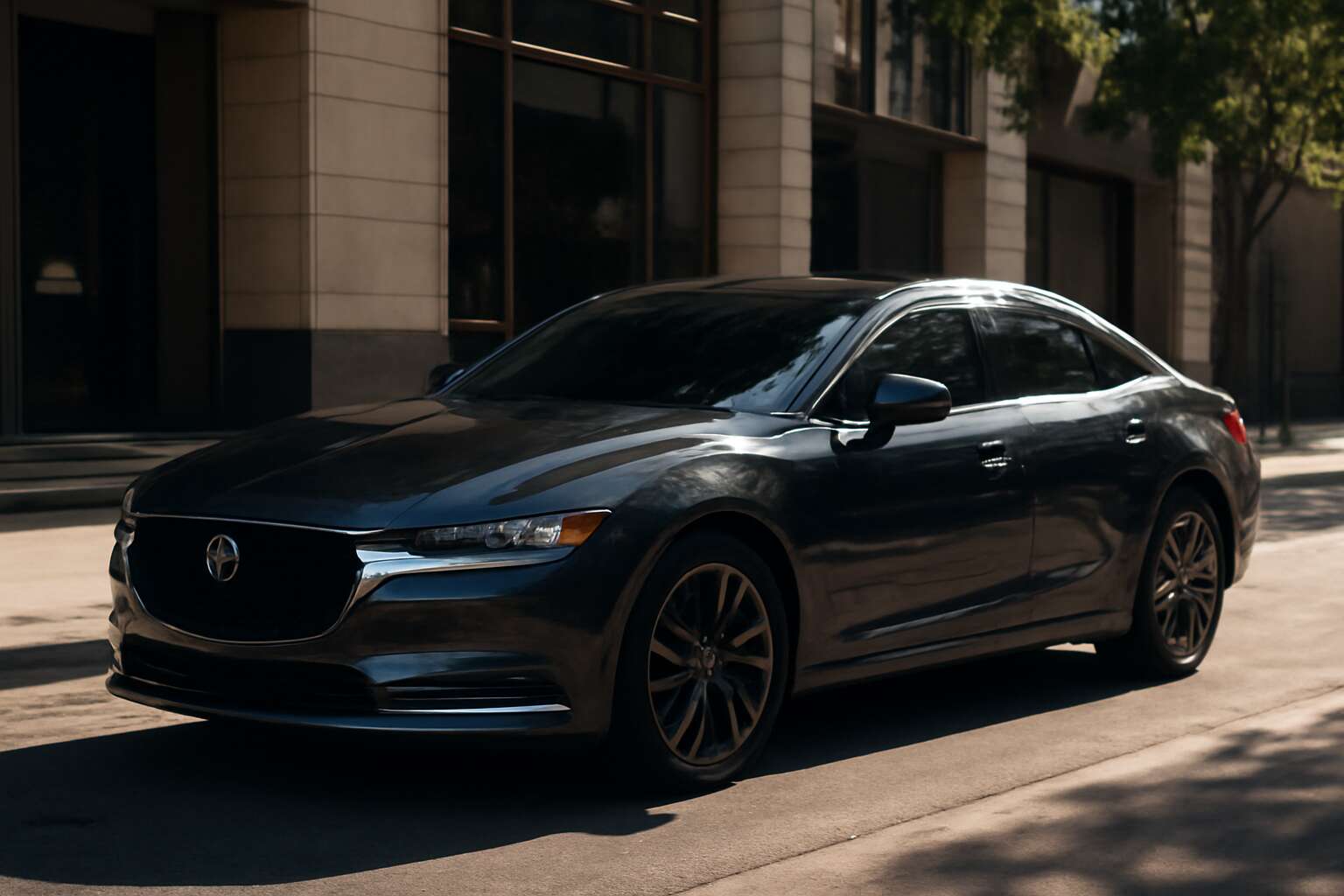
Car Window Tinting Essentials
What window tint is and how it works
Sunlight in South Africa is a constant companion, and the heat that follows reshapes every drive. The quiet shield of tints on car offers a glaze of calm over the dashboard and the soul!
Window tint is a thin film applied to the interior side of glass. It works by blocking UV rays, reflecting infrared heat, and absorbing glare. Films come in dyed, metalized, and ceramic varieties.
- UV rejection that guards skin and interiors
- Heat reduction for cooler cabins and happier drives
- Glare control for sharper visibility
- Enhanced privacy and interior protection
In this tradition, tinting becomes more than a finish; it is a quietly glamorous partnership of light and shade, a reflection of the road-weary beauty of the American Dream translated to South African summers.
Benefits of car window tint
South Africa’s sun is relentless, turning even short trips into sun-scorched tests of patience. The right tints on car can soften glare, spare the dashboard from fading, and keep the cabin feeling calm—like a shaded sanctuary on wheels.
- Skin protection and interior longevity
- Cooler cabin and more comfortable drives
- Less eye strain from bright days
- Enhanced privacy and a refined look
In SA, the choice balances protection, visibility, and aesthetics, so the tint becomes part of the car’s character rather than an afterthought.
Common myths about tinting
South Africa’s sun never negotiates; it simply presses on, turning a quick ride into a heat-wave audition. The conversation around tints on car is thick with urban legends and half-truths. Some insist tinting ruins night vision; others claim any tint is illegal. Yet myths don’t steer safe driving—facts do. Clarity, comfort, and compliance can coexist when you choose purpose-built films and a trusted installer.
- Tinting always worsens night visibility.
- All tints are illegal or require bureaucratic certificates.
- Tinting weakens glass or causes shattering.
- Any tint will trigger insurance problems.
In reality, legality depends on local rules, and modern films maintain excellent visibility while reducing heat. It’s about balance—functional tints on car that preserve sightlines and style, not gimmicks.
Glossary of tint terms
The sun doesn’t negotiate—your tint should. In South Africa, heat and glare demand a clear map of terms, not guesswork. This glossary helps you cut through myths and keep steady sightlines while cruising with style, because tints on car are about balance, not bravado.
Glossary of tint terms that make sense on the road:
- Visible Light Transmission (VLT): the portion of light that passes through; lower VLT means a darker shade.
- Infrared Rejection (IRR): blocks heat from infrared rays to keep the cabin cooler.
- UV Block: filters ultraviolet rays to protect skin and interior materials.
- Material Types: dyed, metalized, ceramic, carbon—each changes appearance and performance.
- PVB Interlayer: safety layer that helps hold glass together if shattered.
With this glossary, choosing purpose-built films and a trusted installer makes sense for the road ahead. Your tints on car become a daily statement of comfort and control.
Understanding tint shades and measurements
On South Africa’s sun-scorched roads, tints on car are more than style—they’re a shield. “Tint isn’t vanity, it’s vigilance,” a seasoned installer notes, and the line lands hard when glare bleaches dashboards and rearview mirrors refuse to cooperate. Understanding tint shades starts with practical measurements that translate to everyday comfort.
Shades are described by light transmission. When you size up options, remember: the VLT determines how much light passes through; IRR gauges heat rejection; UV Block guards skin and interior too. The right mix balances visibility, safety, and a cooler cabin.
- VLT: the percentage of light that passes through; lower numbers = darker tint
- IRR: infrared rejection to keep cabin temperatures reasonable
- UV Block: protects skin and interior materials from sun damage
With these essentials, you navigate film choices and installer reputation in the South African market, shaping a daily experience defined by comfort and control.
Types of Window Tint for Cars
Dyed, metalized, carbon, and ceramic tint differences
On South Africa’s sun-baked roads, the shade of a window tint is more than a style—it’s a shield. Many drivers report cooler cabins and UV protection that lasts all day, making the drive through heatwaves feel calmer. tints on car.
Here are the main varieties, each with its own character and soul:
- Dyed tint: affordable, good heat absorption but can fade over time.
- Metallized tint: strong glare reduction, but may interfere with signals.
- Carbon tint: deep shade, excellent heat rejection, non-reflective.
- Ceramic tint: best performance, high clarity, no metal interference.
Ultimately, the tints on car you select should feel like a lane through the plains—quiet, reliable, and true to the road you travel every day.
Ceramic tint advantages and why it’s popular
South Africa’s sun is a relentless editor, and on its pages ceramic tint writes balance into every ride. In the heat-drenched mornings, tints on car become more than style; they are a shield that keeps interiors cooler and views crisp. ‘It’s like stepping into shade,’ says a Cape Town driver, and the sentiment sticks as the day grows.
Ceramic tint advantages and why it’s popular: the formula delivers superb heat rejection without metallic glare, preserving the driver’s view in high noon. It stays clear over years, resisting fade and maintaining strong UV protection. It never interferes with signals, so radios, GPS, and phones stay reliable on long journeys.
- Superior heat rejection without metallic glare
- Crystal-clear visibility with minimal reflection
- Signal integrity for radios and devices
Across SA’s varied climates, ceramic tint endures as a practical, stylish choice for drivers who demand calm, clarity, and durability.
Best tint types for heat rejection and UV protection
South Africa’s sun is a relentless editor, editing every ride with a glare that lingers. In scorching summers, cabin heat can be reduced by up to 60% with a quality tint, turning a sweltering cockpit into a cooler sanctuary. When browsing types of window tint for cars, seek films that marry heat rejection with UV protection and steady daytime visibility. For tints on car, the right shade and finish can shield leather, dashboards, and skins without dulling the drive or the view.
A quick guide to the best tint types for heat rejection and UV protection, focusing on performance over pigment level:
- High UV rejection to prevent fading and skin exposure
- Excellent infrared rejection to lower interior temperatures
- Non-metallic composition to keep radios, GPS, and devices clear
Tint shade legality and practical guidelines
South Africa’s sun doesn’t merely glare; it files telltale scorch marks on dashboards and dreams. For tints on car, the shade you choose must walk the line between heat reduction and legal visibility. The right film offers daytime clarity while guarding interior leather and dashboards from harsh rays.
- Check your province’s tint laws and transparency levels for front windows to stay compliant.
- Prefer non-metallic films to keep radios, GPS, and devices clear of interference.
- Have a licensed installer fit the film, confirming warranty and compliance with a sun-meter if available.
When you think about tints on car, you balance privacy, heat rejection, and visibility. Choose a shade that complements your climate and vehicle, ensuring a safe, stylish ride along South Africa’s sunlit roads.
Durability and color stability across types
Heat is a silent thief, gnawing at dashboards and leather; a well-chosen tint stands as a guardian. When considering tints on car, durability and color stability become the guiding compass, ensuring the shade stays true as the sun circles overhead.
Across the main types, certain durability cues always matter:
- UV resistance that slows fading of dyes and films
- Strong adhesion and edge sealing to endure heat cycles
- Non-yellowing, stable colors that stay true over time
- Clear warranties from reputable manufacturers
In South Africa’s glare, a tint with staying power translates to lasting clarity and interior protection—your vehicle remains stylish without visible compromise.
Legal and Safety Considerations
Legal limits by region and how to verify compliance
“Visibility is not a luxury; it’s a liability shield,” a veteran traffic officer once told me. In South Africa, tints on car regulations blend safety with regional nuance: front-side windows carry the strictest limits, while rear windows and the back windscreen can be darker. The result is a legal landscape where a shade choice can become a roadside issue, and I’ve seen how easily a hesitation becomes a headline!
Verification sits at the intersection of paperwork and practice: film labels, installation certificates, and the enforcement patterns of your province offer the strongest signals. This approach helps ensure your tints on car stay within the law.
- Official standards define minimum visibility requirements for the front windows
- Installer documentation and film labeling indicate compliance with the law
- Regional variation in enforcement means checks can differ by province
Impact on nighttime visibility and safety
“Visibility is not a luxury; it’s a liability shield,” a veteran traffic officer once stated. Night driving exposes the true test of tinting: how tints on car interact with streetlight, reflective surfaces, and the human eye. The darker the front windows, the greater the risk of pedestrians and cyclists slipping from view, even as rear windows offer privacy and comfort. In South Africa, this balance shifts with regional enforcement, turning a shade choice into a roadside dare.
Key nighttime safety factors shaped by tints on car include:
- Headlight glare and the ability to perceive brake signals
- Pedestrian visibility at crosswalks in urban zones
- Interior reflections that wash out vital cues at night
These dynamics underscore why shade choices require a harmony with safety objectives; legality varies by province, so the landscape is anything but uniform.
Certification, inspection, and documentation you may need
In the twilight corridors of road policy, paperwork stands beside glass as essential. In South Africa, shade and safety walk a fine line, and certification, inspection readiness, and a tidy dossier accompany every set of tints on car. The aim is proof: a film’s performance aligned with local rules, which vary by province.
- Installation certificate from the tint provider
- Specification sheet showing shade, VLT, and UV rejection
- Measured VLT report from a qualified tester
- Purchase and service invoices for traceability
With these records, inspection becomes a smoother rite; a compliant tint on a car is no shadow in the night but a verifiable shade that stands up to the gaze of officers and the glare of streetlights.
Penalties and remedies for non-compliance
Shades may flatter, but in South Africa the law scans tints on car with the precision of a tailor. Too-dark glass invites penalties; too-light glass defeats privacy and sun protection. The rules wander by province, turning a sleek finish into a compliance puzzle that officers inspect with practiced patience and, sometimes, a raised eyebrow.
- Fines and potential court appearances
- Removal or replacement of non-compliant film
- Inspections or reminders to regain lawful status
Ultimately, staying within approved shades keeps tints on car looking sharp, preserves safety, and spares you the last-minute scramble when a roadside inspection looms.
Choosing the Right Tint for Your Vehicle
Assess vehicle type, climate, and usage
“Shade is a quiet revolution on wheels,” a veteran installer in Cape Town reminds me whenever I walk into a sun-scorched showroom. The SA sun is relentless, and the right tint turns glare into comfort and privacy. In choosing tints on car, the first questions you ask are practical: assess vehicle type, climate, and usage for the road ahead.
Here’s a simple framework to picture as you shop!
- Vehicle type and glass configuration: sedans, SUVs, and pickups interact with tint differently.
- Climate and exposure: coastal heat and inland UV drive heat rejection and UV protection needs.
- Usage and occupants: daily commutes, family trips, or business use influence privacy and glare reduction priorities.
With these factors in mind, your choice becomes a story of how you drive—more comfort, less distraction, and tints on car that feel inevitable rather than added.
Budget, value, and return on investment
“Shade is the quiet engine of a comfortable drive,” a veteran installer in Cape Town likes to say. When budgeting tints on car, budget becomes a doorway to daily luxury and lasting value rather than a mere line item. The right tint cuts glare, shields interiors, and calms sun-drenched commutes across South Africa’s endless horizons.
Value shows up as one balances price against longevity, warranty, and upkeep. A quality film can lower interior heat, ease air conditioning loads, and prevent fading of leather and dashboards. For tints on car, the payoff is tangible in comfort and resale confidence.
- Upfront cost versus long-term cooling and comfort
- Durability, warranty, and maintenance needs
- Impact on resale value and market perception
In the end, tints on car become part of a vehicle’s story, a stylish, practical companion on every road.
Lease, financing, and insurance considerations
South Africa’s sun is relentless, turning dashboards into mirrors and heat into a quiet daily burden. ‘A tint is not vanity; it is a shield!’ echoes a veteran Cape Town installer. When choosing tints on car under lease or financing, the decision becomes a careful balance of costs, compliance, and comfort. The right shade reduces glare, preserves interiors, and keeps journeys calmer—while staying aligned with policy and road rules across the country.
- Lease terms: confirm allowed darkness, visibility, and any pre-approval requirements.
- Financing implications: verify who pays for installation and how it affects resale value.
- Insurance considerations: ensure coverage for tint work, keep receipts, and understand policy implications.
Seek guidance from your insurer and dealer to harmonize coverage with your tint choice. When policy, financing, and lease align, window films become a trusted companion on every road—cooler days, safer night visibility, and a resale narrative that ages with grace.
Color consistency and warranty considerations
In South Africa, where sun and road heat are daily companions, color consistency is the quiet proof of quality. “A tint is not vanity; it is a shield!” says a veteran Cape Town installer, and the sentiment rings true for tints on car. When hue shifts or brightness blooms unevenly, the car loses its narrative.
Warranty considerations weave through finish, adhesion, and fading. A reliable film should promise color stability under UV, resistance to bubbling, and edge lift coverage over years.
- Color stability under UV and heat
- Adhesion performance and edge lift protection
- Warranty duration and claim terms
Installation, Maintenance, and Care
DIY tinting vs professional installation
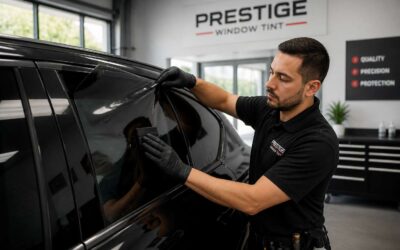
Overview of the installation steps
Cabin heat can drop by up to 40% with the right tint—it’s not magic, it’s precise work. We know installation overview: tints on car deliver glare-free comfort and UV protection across South Africa’s roads, with clean surfaces and precise alignment setting the stage.
- Assessment and surface prep
- Film alignment and smoothing
- Edge finishing and seal
- Final inspection and cure time
Maintenance overview: tinted windows benefit from regular, gentle care. Keep dust to a minimum, wipe with a microfiber cloth and mild soap, and avoid harsh solvents that could degrade the film’s edge.
Care overview: over time, inspect edges for lifting, protect against abrasive contact, and park in shade when possible to preserve color and clarity.
Care tips to maximize longevity and performance
In the rush of South Africa’s sun, installation of tints on car becomes a patient craft. The work is precise, not theatrical—each curve is read, each edge whispered into place, and the glass is coaxed to a choir of even light.
Maintenance unfolds as a quiet ritual: regular, mindful care that keeps the film singing through seasons of heat. Gentle attention helps the film resist veil and glare, while the frame beneath holds steady, awaiting long horizons and the road’s many hours.
Care tips acknowledge time and texture: listen for edge whispers, honor color as it matures, and protect vision by respecting daylight and shade. When cared for, tints on car endure as a steady shield against SA’s blaze.
Troubleshooting common installation issues
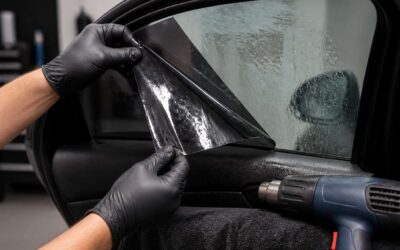
Installation for tints on car in SA demands patient craft. The installer reads each curve, aligns with the glass, and uses controlled heat to coax the film into a flawless, whisper-light finish. Precision saves glare and shadows, turning bright light into a measured shield.
- Air bubbles or moisture trapped beneath the film after application.
- Edges peeling or lifting at corners.
- Misalignment creating uneven gaps or wavy lines across windows.
Maintenance is a quiet routine: gentle wash, non-abrasive cloths, and avoiding harsh solvents that harm the adhesive. Regular checks keep the film smooth and colour stable, allowing the tints on car to perform in SA heat year after year.
Care troubleshooting after install isn’t dramatic, but it matters. If edges lift or bubbles linger, pause DIY fixes and contact a pro for rework under warranty to preserve the tint’s integrity.
Cost, Upgrades, and ROI
Typical price ranges by tint type and vehicle
Cost is the first chord in the melody of tints on car. In South Africa’s sun, price shifts with film type and vehicle size. Dyed films offer the lowest entry, ceramic the highest. Typical ranges (rand) for common vehicles are:
- Dyed: Compact car R700–R1500; SUV R1500–R2500
- Carbon: Compact car R2500–R4200; SUV R4200–R7000
- Ceramic: Compact car R5000–R9000; SUV R8000–R14000
Upgrades shape the value. Upgrading to higher-performance films—carbon or ceramic—delivers better heat rejection and UV protection, with color stability that lasts. Professional installation matters: precise cuts, sealed edges, and a solid warranty extend longevity.
ROI comes from more than cooler cabins. Less interior fading, reduced glare, and keener resale appeal boost long-term value. In South Africa, the comfort and energy savings of tints on car translate into practical ROI.
Resale value and curb appeal impact
South Africa’s sun is relentless, and a car cabin can feel like a solar oven by noon. When weighing options, cost is a decisive chorus: entry-level films keep the price down, while premium tints on car demand more upfront—but promise noticeable comfort and UV relief on every drive.
Upgrades shape the value. Choosing higher-performance films delivers better heat rejection, UV protection, and color stability. Professional installation matters for precise cuts and sealed edges, and a solid warranty extends longevity, making the extra investment worthwhile as the cabin stays cooler and glare drops.
ROI goes beyond a cooler interior. Reduced fading, calmer dashboards, and sharper resale appeal matter to buyers who notice the small comforts. In markets like South Africa, that curb appeal from tints on car translates into tangible value when it’s time to trade or sell.
Warranty, maintenance plans, and aftercare options
South Africa’s glare is a daily tax on comfort, and relief isn’t free. Entry-level films keep costs down, while premium tints on car demand more upfront—but the payoff is a cooler cabin and UV relief on every drive.
Upgrades pay off. Higher-performance films boost heat rejection, UV protection, and color stability. Professional installation guarantees precise cuts and sealed edges, while a solid warranty extends longevity—meaning a calmer interior and longer-lasting clarity for every journey.
- Heat rejection and UV protection
- Color stability and glare control
- Professional cuts and edge sealing
ROI extends beyond a cooler interior. Reduced fading, calmer dashboards, and sharper resale appeal matter when the time comes to trade. In South Africa, that curb appeal translates into tangible value, reinforced by maintenance plans—annual checks, gentle cleaning, and a simple aftercare routine that preserves gloss.
0 Comments