
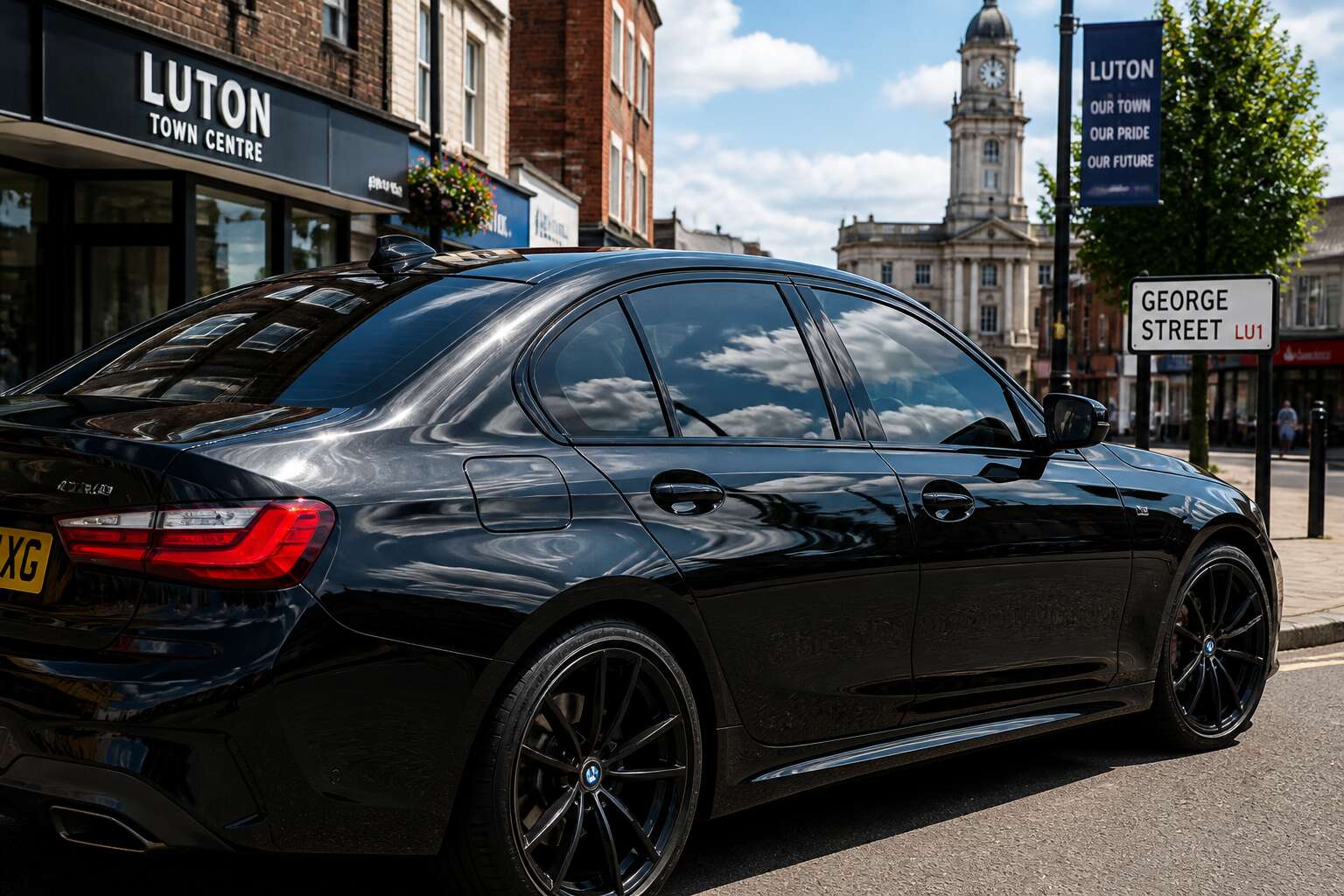
Why Vehicle Window Tinting Matters in Luton
Enhanced Privacy and Security for Your Vehicle
In Luton, a clear window is a tool for a thief. I have watched people on Manchester Street pause, lean, and peer into parked cars to see what lies on the seats. Tints luton stop that evaluation cold. The film darkens your cabin and removes the visual cues a thief relies on. It also secures the glass, so a strike from a hammer creates cracks but no opening. For drivers who leave a bag on the passenger floor during the day, this is a quiet relief.
I have recommended tints luton to every colleague who parks near the railway station. The material costs less than one excess claim, and the installation takes only a couple of hours. When you return to your car and find no one has touched it, you will understand why the investment holds value. It is a simple equation, and the answer is a darker window.
Protection from UV Rays and Interior Heat Build-Up
Your car’s interior is withering under Luton’s sun. Ultraviolet rays fade the upholstery, crack the plastic trim, and damage leather seats over time. Tints luton intercept that radiation before it lands on these surfaces, which is the only practical way to preserve the cabin without parking in a cave.
Heat build-up is the second offender. On a warm afternoon, the air inside a closed car can exceed 60 degrees Celsius, making every trip start with a stifling gasp. Window film reduces that oven effect by reflecting solar energy before the car becomes a heat trap. The steering wheel stays graspable, the seat belt latch remains usable, and your air conditioner catches a break.
Improved Aesthetics and Potential Resale Value
Most drivers notice the aesthetic shift first. The glass becomes a single, dark surface. The chrome trim looks sharper against the deeper backdrop. A car with professional tints luton application appears lower, sleeker, and more intentional than the same model sitting next to it in a car park. It is a cheap modification that changes the entire character of the vehicle.
That visual upgrade carries over to the used market. Buyers in Luton are not just looking for a working engine. They are looking for a car that looks cared for. A vehicle with consistent, factory quality film suggests a meticulous owner. It suggests the oil was changed, the brakes were serviced, and the car was not thrashed. A faded, peeling tint does the opposite. It screams neglect.
The value is not just in the film itself. It is in the execution. A scratch free, bubble free install holds up under inspection. A proper installer leaves no silvering at the edges and no gaps at the seal.
– A uniform finish that photographs well in online listings
– A darker cabin that hides wear on seat bolsters and carpets
– A barrier that keeps the dashboard from cracking into visible spider webs
These factors move a private sale faster. A dealer will also offer a better part exchange figure when the glass looks this clean. The film is an applied upgrade, but it functions like a factory option in the eyes of a buyer. It makes the car look like the premium version of itself. In a crowded market, that is a tangible advantage.
Glare Reduction for Safer Driving in Bright Conditions
On a clear winter morning, the sun sits low enough to wash out the road ahead. That glare is not an inconvenience. It costs fractions of a second, and those fractions decide a safe stop. The eye works harder when forced to filter that light. It fatigues faster.
Tints luton installations reduce luminance to a level the eye processes without strain. The film also reduces the harshest reflections from wet tarmac and polished bodywork of oncoming vehicles. In my experience, the difference is obvious on the first bright day after rain.
Where it shows up on a daily drive:
- a low sun on a long straight road
- reflections from wet tarmac after an afternoon storm
- moving from a shaded lane into direct sunlight
The steadier visual field that follows means a driver can track pedestrian movement and changing signals without squinting. Glare control belongs in the same conversation as tyres and brakes!
Selecting the Perfect Tint for Your Car
Understanding VLT and Tint Percentage Options
The right VLT transforms your driving experience, but only if you understand the tradeoffs. Visible light transmission is measured as a percentage, where 70% appears nearly clear and 5% resembles dark sunglasses. Choosing the perfect film means balancing your comfort with legal limits. For tints luton, this decision becomes especially practical because local conditions vary.
Common tint percentage options include:
- 5% VLT: maximum privacy, minimal visibility
- 20% VLT: deep shade with some clarity at night
- 35% VLT: a versatile middle ground
- 50% VLT: light reduction without a dark look
Your personal preference for brightness dictates the final choice. I always advise clients to consider how they drive at night, not just how the car appears. A thoughtful selection of tints luton enhances comfort without compromising safety, and that balance matters more than raw aesthetics.
Comparing Dyed, Metalized, and Ceramic Window Films
Most drivers never think about what sits inside their window film. Dyed films absorb solar heat through organic compounds, but they degrade after years of harsh sunlight. Metalized films layer metallic particles to reflect infrared radiation, yet they can disrupt GPS and radio reception. Ceramic films use nano-ceramic particles that block heat without touching signal clarity.
For anyone choosing tints luton, the film’s internal construction changes the car’s performance:
– Dyed options fit tighter budgets.
– Metalized versions bring exceptional durability.
– Ceramic commands a premium with the strongest heat rejection.
One detail separates these films: how each one handles light. Dyed absorbs. Metalized reflects. Ceramic refracts. I see that difference play out daily in South African traffic, where midday sun exposes the flaws in a poorly chosen film!
Matching Tint Shades to Your Vehicle’s Style
The most honest judgement of a window tint happens from across a parking lot. You see how the glass and paintwork match or clash. A burgundy sedan with a blue-grey film looks disjointed, while the same film on a gunmetal hatchback looks intentional.
Drivers choosing tints luton often overlook how shade interacts with body colour. Some pairings settle naturally on South African roads:
- Silver and grey cars accept medium charcoal films without losing sheen.
- White bakkies and SUVs suit lighter smoke tones that follow clean lines.
- Black or dark blue paint needs a film dark enough to merge with the glass.
I find that selecting tints luton completes a vehicle’s visual character. The way glass reads against body panels in changing light determines whether the car looks composed or accidental. A film that echoes the paintwork and follows the beltline makes the whole car feel settled.
Where to Get Expert Advice From Bedfordshire Specialists
Most car owners underestimate how much difference a trained eye makes when choosing a window film. A Bedfordshire specialist can look at your vehicle’s glass curvature and advise on scratch resistance, optical clarity, and long term adhesion. For drivers evaluating tints luton, this kind of hands-on assessment matters more than any online chart.
Ask any reputable installer these questions before booking:
- How does this film perform on curved rear windows?
- Which shade do you recommend for my daily commute direction?
- What warranty covers bubbling and fading?
A proper consultation should also include a demonstration sample on your actual window. When seeking tints luton, remember that the cheapest quote often skips the measuring step that prevents light gaps. Take the time to visit a specialist who inspects your car in person. Their advice will save you from a redo.
Sourcing Premium Tint Materials From Local Suppliers
A window film in its roll tells you nothing about its behaviour on your windscreen’s compound curves. The real test happens when the film meets glass. Local suppliers who stock premium tint materials understand this, carrying films with measured tensile strength and adhesive stability, not merely the cheapest reels.
When sourcing tints luton, I always ask to see the manufacturer’s spec sheet. Performance depends on the polyester substrate and the coating layers. Some suppliers offer samples cut from the same batch they will install. That matters!
What should you check before committing?
- Does the supplier offer a heat-activated adhesive or a pressure-sensitive one?
- Can they verify the film’s scratch resistance using a steel wool test?
- Do they store rolls upright, away from heat sources?
These details separate professional work from a weekend job. For anyone comparing tints luton options, material handling reveals more than any price list.
The Professional Tinting Process Step-by-Step
Initial Consultation and Detailed Quotation
A meticulous tint installation depends on what happens before the film ever unrolls. The initial consultation is where the job truly takes shape. A technician inspects your vehicle’s glass thoroughly, looking for stress cracks, chips, or ageing seals that might compromise film adhesion.
This groundwork is practical, not ceremonial:
- Window dimensions get measured precisely
- Existing glass condition is documented
- Legal tint limits are explained
- Your driving habits are discussed openly
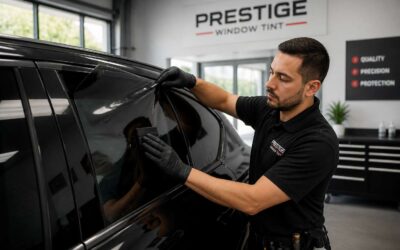
From these details, the fitter prepares a detailed quotation with every cost itemised: materials, labour, and preparation time. Honestly, that clarity lets you decide with confidence. A transparent quote also sets realistic expectations about how long the installation will take. A quality window film application demands patience. When you choose tints luton, this upfront clarity separates a skilled professional from a careless one.
Vehicle Preparation and Thorough Cleaning Procedures
A single speck of dust trapped beneath window film can ruin an entire installation. That is why professional vehicle preparation is obsessive work, not routine procedure. Before any film touches glass, the fitter strips away every trace of grime, old adhesive, and microscopic debris.
The process unfolds in deliberate stages. First, the interior glass surface receives a deep clean with a specialised solution. Then, the technician inspects the window edges and rubber seals, because even a whisper of moisture will compromise adhesion later.
- Remove door panel trim for full access to the glass channel
- Scrub the glass with clay to lift bonded contaminants
- Wipe down with lint free cloths and a final alcohol solution
This meticulous groundwork ensures the film bonds flawlessly. For tints luton, a clean surface separates a bubble free finish from a costly redo. The patience shown here shapes how the final product endures through every season of South African sunlight.
Precutting and Advanced Film Application Techniques
With the glass clean, precutting begins. Fitters measure each window with a laser plotter, cutting the film to within a millimetre of the edge. A cut too large curls in the seal; too small leaves a silver line.
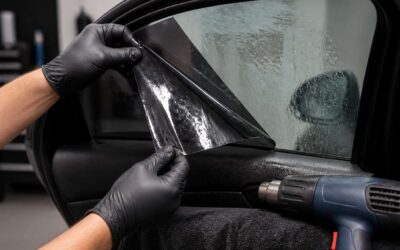
Advanced application uses a heat gun to shrink the film over steep rear windscreens, called shrink mounting. Technicians work slowly, coaxing the polyester without stretching it thin. The steps:
- Plot the glass dimensions.
- Trim the film with a fresh blade.
- Heat-shrink over curved glass.
- Peel liner and apply slip solution.
Each motion is deliberate. For tints luton, this step separates a mediocre install from an invisible one, but a skilled hand makes it look effortless.
Quality Checks, Curing Time, and Aftercare Guidance
A mere 1 in 10 window tint installations fails within the first year due to poor curing habits, which is a shame when the application itself was flawless. That final polish is where most of the work actually lives, long after the technicians have packed away their heat guns.
After the last squeegee pass, the true artistry begins. Quality checks are a ritual performed in controlled light, hunting for specks of dust or micro-bubbles that betray a rushed hand. The installer runs gloved fingers along every edge, verifying the film sits proud of the glass without lifting. Aesthetic perfection is verified, but the real test is physical. I always ask my fitters to hold a bright LED bar at an angle, it catches the faintest imperfections that the naked eye might miss in a driveway.
The process of setting is a waiting game. The adhesive needs anywhere from three to fourteen days to bond completely, depending on the weather. Heat accelerates the cure, but rushing it invites disaster. During this period, moisture trapped between the film and glass forms a hazy, crystalline appearance. This is normal, not a defect.
The aftercare routine is simple, but strict:
– Keep the windows rolled up for at least three days.
– Use only a soft microfiber cloth and a mild, ammonia-free cleaner.
– Avoid pressing your hand or elbow against the glass for a week.
– Do not use the rear defroster for the first week, the heat shocks the adhesive.
Fogging and bubbling can linger for a fortnight. It is a quiet, anxious phase for any owner, but patience is the final ingredient in the recipe for a professional result. For those investing in quality tints luton, this period of rest is the difference between a film that looks baked into the factory glass and one that eventually peels at the corners. It is a silent test of trust between the installer and the car.
Legal and Safety Regulations for Tinted Windows
UK Windscreen and Front Window Tint Limits
It is a moment of quiet realisation for many drivers: the morning sun flashes off the windscreen of the car ahead, and for a split second, the driver is invisible. That brief blindness is precisely why UK law draws a hard line at the front of the vehicle. The legal limit for light transmission through the windscreen is 75% VLT, while the front side windows must allow at least 70% of light through. These figures are not suggestions; they are the strict parameters set by the Road Vehicles (Lighting) Regulations. Failing to meet these standards compromises the safety of the tinted vehicle and every other road user.
Technically, the police and VOSA officers use handheld light transmission meters to test compliance. If your film fails the test, you could be issued a prohibition notice, preventing the car from being driven until the film is removed. The enforcement is direct, and the financial penalty for non-compliance is something no driver wants to deal with. For those considering tints luton, the primary objective for the front glass is not maximum darkness, but the careful management of heat and glare while preserving absolute clarity.
There are, however, narrow exemptions for medical conditions, such as photosensitivity, which require specific documentation. In general, the rules are strict and leave little room for interpretation.
– A defect notice can be issued for the front windows.
– The rear windscreen and rear passenger windows have no specific VLT limit.
– Side mirrors become a legal necessity if the tint on the rear is excessively dark.
This rigid regulation is why the rear of the vehicle offers the most creative freedom, while the front demands precision. Applying a film that sits just within the legal threshold requires technical skill, as even edge to edge application can alter the light measurement if not handled perfectly. The distinction between the front and rear limits is not a legal loophole, it is a safety parameter. It ensures drivers retain the necessary visibility for pedestrian detection at dusk, a time when the human eye is most vulnerable to sudden changes in light levels.
Potential Penalties for Non-Compliant Installations
Getting the right tints luton matters far beyond the initial quote. A non-compliant installation turns into a legal headache the moment an enforcement officer runs a light meter over your glass. The penalties are straightforward and unforgiving:
- A fixed penalty notice for failing light transmission standards.
- A prohibition notice that grounds your vehicle until the film is removed.
- Court action for repeat offences, which brings heftier fines and a criminal record.
I have watched drivers lose an entire day to this process, paying for removal and reapplication on top of the fine. The law does not care whether the tint was applied by a professional or in a driveway. It only measures the result. That is why choosing a team that tests every install is not a luxury, it is the only sensible route for anyone exploring tints luton. The risk of non-compliance simply is not worth the few pounds saved on a substandard job.
ENSURING Your Vehicle Stays MOT-Ready
Drivers often treat the MOT test as a chore with an uncertain outcome. Window film regulations are not a secret syllabus. The light meter does not care about your busy schedule. It reads the glass, and the glass remembers everything. For tints luton, the MOT standard is your operating manual, not a suggestion box.
Modern tint films degrade over time. A film that passed last year may fail this year. Adhesive breakdown, micro scratches, or a lazy installation can push light transmission below legal thresholds. The MOT tester takes measurements from front windscreen and front side windows. The inspection includes:
- Front windscreen light transmission readings.
- Front side window VLT compliance.
- Film condition for bubbles, tears, or delamination.
- Reflection levels on the glass surface.
If any of these fall outside the rules, you face a fail certificate and a second visit to the test station. The smart approach treats tints luton as maintenance, not decoration. The MOT lane is a harsh judge, but an honest one.
How Local Tinting Experts Ensure Full Legal Compliance
The legal framework for window tinting protects every road user, not only the vehicle owner. Regulations quantify exactly how much visible light must pass through each panel, and local installers in Luton treat those figures as a baseline. There is no place for approximation!
Ensuring compliance is a sequence of verifications:
- Measuring the vehicle’s factory glass before any film selection
- Cross-checking the chosen film’s specification against legal thresholds
- Verifying the finished installation with a calibrated light meter
Experts in tints luton do not trust the film label alone. They verify the final installation with their own photometer, because factory glass already absorbs a percentage of light.
I have watched technicians adjust for older cars, where the glass has begun to haze. That care is what separates reliable tints luton work from hasty installations, keeping a driver on the right side of the law without sacrificing style.
Cost Considerations and Maintenance Advice
Factors That Influence Professional Installation Prices
A price quote for tints luton can swing by thousands of rand based on three hidden variables. The film’s substrate, your vehicle’s glass curvature, and the workshop’s cleaning discipline all shape the final invoice. Labour rates matter, but so does the time spent on decontamination and dust control. A flat sedan rear window costs far less to cover than a sharply angled hatchback.
Professional installation prices typically rise with these factors:
- Ceramic vs. dyed film material density
- Number of fixed windows vs. roll-down ones
- Existing tint removal requirements
- Workshop’s environmental containment systems
After fitting, maintenance directly impacts longevity. Use only a soft microfiber cloth and a mild ammonia-free cleaner. Abrasive sponges scratch the film’s optical clarity. I always advise waiting three full days before cleaning, as the adhesive needs time to cure completely. That patience protects your investment.
Warranty Coverage and Expected Durability of Films
Warranty coverage is the quiet contract that separates a professional installation from a quick backyard job. The price tag for tints luton includes more than labour; it buys the film’s expected lifespan, typically five years for dyed material and seven for ceramic. That longevity only holds if your cleaning habits match the workshop’s standards. Ammonia-free cleaner and a soft microfiber cloth preserve the optical clarity without scratching the surface.
Check these terms before you commit to an installation:
- Coverage for bubbling, peeling, and adhesive failure
- The claim process if the film delaminates within the warranty window
- Transferability if you sell the vehicle with the tint still fitted
In my experience, the warranty page deserves as much attention as the shade you choose. Workshops that stand behind their tints luton will show you these details without hesitation. That transparency justifies the higher invoice.
Caring for Your Tinted Windows Throughout the Year
The invoice for tints luton often tells a story of preparation. A lower price may indicate shortcut work or film that will fade before its promise. I always tell clients to factor in the yearly upkeep, because that routine decides whether the installation ages with dignity or decays quietly.
Care should be deliberate. Soft cloths and pH neutral soap keep the surface without stripping the protective layers.
– Inspect the edges for lifting each spring.
– Clean with ammonia free solution before autumn sun arrives.
– Check the adhesive for peeling after harsh winter conditions.
Your tints luton will hold their clarity if you respect the materials. That small effort turns a simple purchase into a lasting one.
Warning Signs That Indicate Tint Replacement Is Needed
Cost considerations for tints luton go beyond the initial quote. I have seen drivers save a few rand upfront, only to pay twice when the film fails within two years. The adhesive and dye quality determine longevity, so treat maintenance as part of the investment.
Watch for bubbling along the edges, a milky haze that refuses to clear, or scratches that catch light. These are warning signs that indicate tint replacement is needed. Delaying only worsens the damage.
Tips for Finding Competitive Quotes in the Luton Area
“The car that costs less to tint today often costs more to own by autumn,” a Bedfordshire installer once told me, and that logic has stuck. The price of tints luton is rarely the number on the quote; it is the lifespan of the materials and the care you commit to after the film touches glass. A cheaper dye film might save a few hundred rand now, but it will fight you with adhesive breakdown and colour shifts. The real expense appears when you have to strip and reapply because the film gave up under heat.
Maintenance is where the budget either holds or evaporates. Do not use abrasive cloths or ammonia-based cleaners during the first weeks after installation; they attack the adhesive bond and leave a cloudy residue. Stick to a soft microfibre cloth and a mild, soapy solution for routine wiping. The goal is to preserve the integrity of the tint and avoid the bubbling that turns your windows into a map of tiny faults. And when you do seek a new quote, look for transparency:
– Check if the price includes door panel removal and meticulous squeegee work, or if that is an extra.
– Ask about the warranty term and whether it covers adhesive failure, not just peeling.
– Request a sample of the actual film, not a brochure, so you can test the clarity.
A low quote in Luton might omit curing time recommendations or post-installation checks. When you ask around, focus on what the price bundles, not the bare film. Your goal is a straight answer that covers stripping old film, surface prep, and a realistic labour cost. The cheapest service often skips those steps, and you pay the difference with your time at a newer installation. Value sits with a team that walks you through the maintenance schedule, because a tint that lasts is one you look after, and the price you pay reflects that commitment from the start.
0 Comments